Why All-Wheel Drive Drivers Are Actually More Likely to Crash in Winter Weather
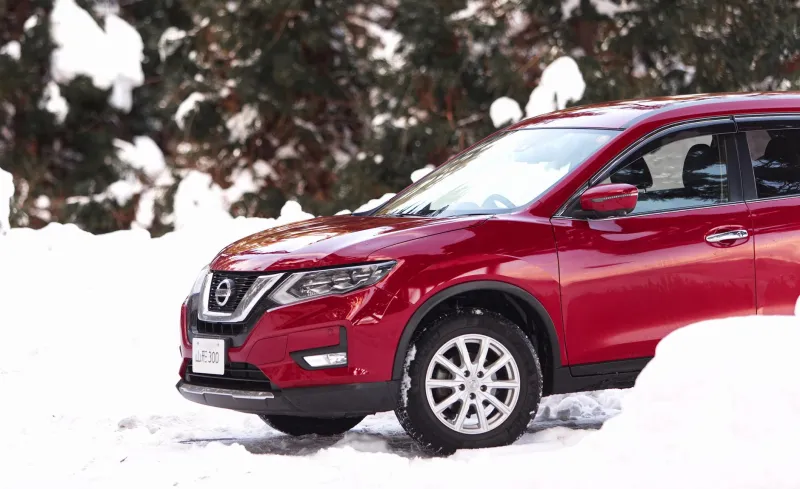
Every winter, the same scene plays out on highways across America: confident drivers in shiny SUVs and crossovers sailing past everyone else in the snow, only to end up sideways in a ditch a few miles down the road. The common thread? They believed their all-wheel drive system made them immune to winter weather.
The Myth That's Killing Confidence
Walk through any car dealership parking lot in November, and you'll hear the same sales pitch echoing across the lot: "With our all-wheel drive system, you'll be safe in any weather condition." Marketing departments have spent decades convincing Americans that AWD equals winter safety, and the message has stuck. A 2023 AAA survey found that 68% of AWD vehicle owners believe their cars are "significantly safer" in snow and ice compared to front-wheel drive vehicles.
This belief isn't just wrong—it's dangerously wrong. Insurance data from the Insurance Institute for Highway Safety shows that AWD vehicles are involved in winter weather accidents at rates 15% higher than comparable front-wheel drive models. The reason isn't mechanical failure; it's human overconfidence.
What All-Wheel Drive Actually Does (And Doesn't Do)
Here's the physics your car salesman probably didn't explain: all-wheel drive helps with exactly one thing in winter conditions—getting you moving from a stop. When you're stuck in snow or trying to accelerate up an icy hill, having power sent to all four wheels instead of just two can make the difference between moving forward and spinning your tires.
But that's where the winter magic ends.
When it comes to the two most critical aspects of winter driving—stopping and turning—all-wheel drive does absolutely nothing. Your brakes don't know or care whether your car has AWD, front-wheel drive, or rear-wheel drive. The only thing that matters for stopping on ice is the tiny contact patch where your tires meet the road, and the laws of physics apply equally to every vehicle.
Same goes for cornering. When you're taking a turn on a snowy road, your car's ability to maintain grip depends entirely on your tires and your speed, not your drivetrain. An AWD Subaru Outback taking a corner too fast on ice will slide just as predictably as a Honda Civic.
The Overconfidence Problem
The real danger isn't the AWD system itself—it's what psychologists call "risk compensation." When people feel safer, they take more risks. AWD drivers consistently drive faster in winter conditions, follow more closely, and brake later than drivers of two-wheel drive vehicles.
This overconfidence is measurable. Studies by the University of Michigan Transportation Research Institute found that AWD vehicle drivers average 3-5 mph faster than other vehicles in winter weather conditions. That might not sound like much, but at highway speeds on ice, those few miles per hour can mean the difference between maintaining control and losing it completely.
Where This Dangerous Myth Came From
The AWD safety myth didn't emerge in a vacuum. It's the result of decades of marketing that deliberately blurred the line between traction and safety. Automakers discovered in the 1990s that they could charge thousands more for AWD systems by positioning them as safety features rather than convenience features.
The confusion deepened with the rise of SUVs and crossovers. These vehicles sit higher off the ground, which can provide better visibility in some conditions, but their higher center of gravity actually makes them more prone to rollovers on slippery surfaces. Marketing departments conveniently focused on the visibility benefits while downplaying the stability risks.
Television commercials didn't help. For years, ads showed AWD vehicles confidently navigating snow-covered mountain roads while sedans struggled behind them. What these ads didn't show was the part where everyone had to stop or turn—the moments where AWD provides zero advantage.
What Actually Keeps You Safe in Winter
If AWD isn't the answer, what is? The boring truth is that winter driving safety comes down to three things that can't be marketed as premium features: good tires, appropriate speed, and increased following distance.
Tires matter more than any other single factor. A front-wheel drive car with proper winter tires will outperform an AWD vehicle with all-season tires in every winter driving scenario except initial acceleration. The rubber compound in winter tires stays flexible in cold temperatures, and the tread patterns are specifically designed to bite into snow and channel away slush.
Speed matters even more. The faster you're going when you hit a patch of ice, the less time you have to react and the more energy your brakes have to dissipate. Physics doesn't care about your drivetrain configuration.
The Real Picture on Winter Driving
All-wheel drive can be a useful feature, but it's not a safety feature—it's a convenience feature. It helps you get out of your driveway after a snowstorm and makes climbing snowy hills easier. But the moment you start thinking it makes you safer at speed, you've fallen for one of the automotive industry's most persistent and dangerous myths.
The safest winter drivers aren't the ones with the most advanced drivetrains. They're the ones who understand that no technology can overcome the basic physics of ice and snow. They slow down, they increase their following distance, and they remember that getting moving is only a small part of winter driving—it's the stopping and turning that really matter.
Next time you see an overturned SUV in a winter ditch, remember: all-wheel drive gets you going, but it won't get you there safely.