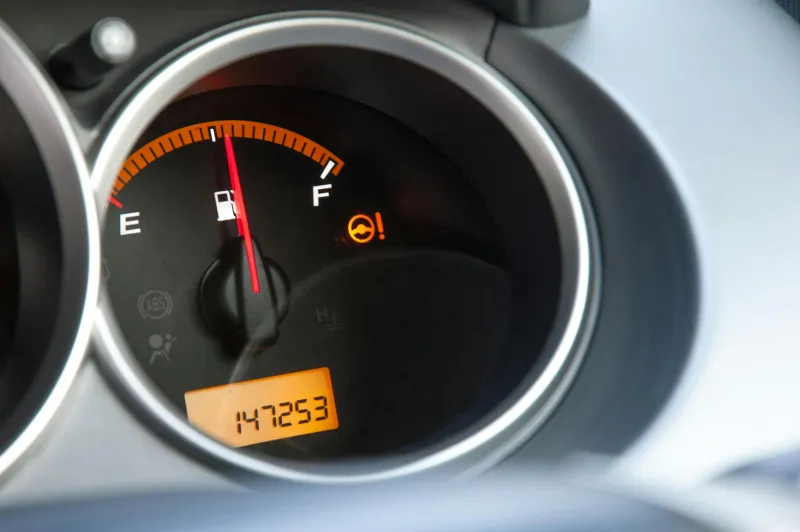
The Seductive Power of the Lowest Number
Walk into any dealership, and your eyes immediately gravitate toward that base model with the rock-bottom price. It makes perfect sense — you need transportation, you have a budget, and that entry-level trim seems like the responsible choice. But here's what dealers know and budget shoppers discover too late: the cheapest car on the lot is often the most expensive mistake you can make.
This isn't about upselling tactics or dealer manipulation. It's about understanding the hidden mathematics of car ownership that most buyers completely miss.
The Safety Tax You'll Pay Later
Base model vehicles routinely ship without features that have become standard on higher trims. We're not talking about heated seats or premium sound systems — we're talking about safety equipment that directly impacts your insurance rates and accident risk.
Take the 2023 Nissan Sentra S, the base model that starts around $19,000. It lacks the automatic emergency braking, blind spot monitoring, and rear cross traffic alert that come standard on the SV trim. These aren't luxury features — they're technologies that insurance companies recognize reduce claim frequency.
Many insurers now offer discounts for vehicles equipped with advanced safety features. A car without these systems might cost you an extra $200-400 annually in insurance premiums. Over a typical ownership period, that's $1,200-2,400 in additional costs — enough to have upgraded to a better trim level from day one.
The Resale Reality Check
Here's where budget car math gets really ugly: base models typically depreciate faster and more severely than better-equipped versions of the same vehicle. The reason is simple supply and demand.
When you go to sell or trade your stripped-down economy car, you're competing against thousands of other base models in the used car market. Meanwhile, well-equipped vehicles with desirable features hold their value because they appeal to a broader range of buyers.
Consider this real-world example: A 2019 Honda Civic LX (base model) with 40,000 miles currently trades for about $18,500. The same year Civic EX with identical mileage? It's worth approximately $21,000. That $2,500 difference in resale value often exceeds whatever you saved by buying the cheaper trim initially.
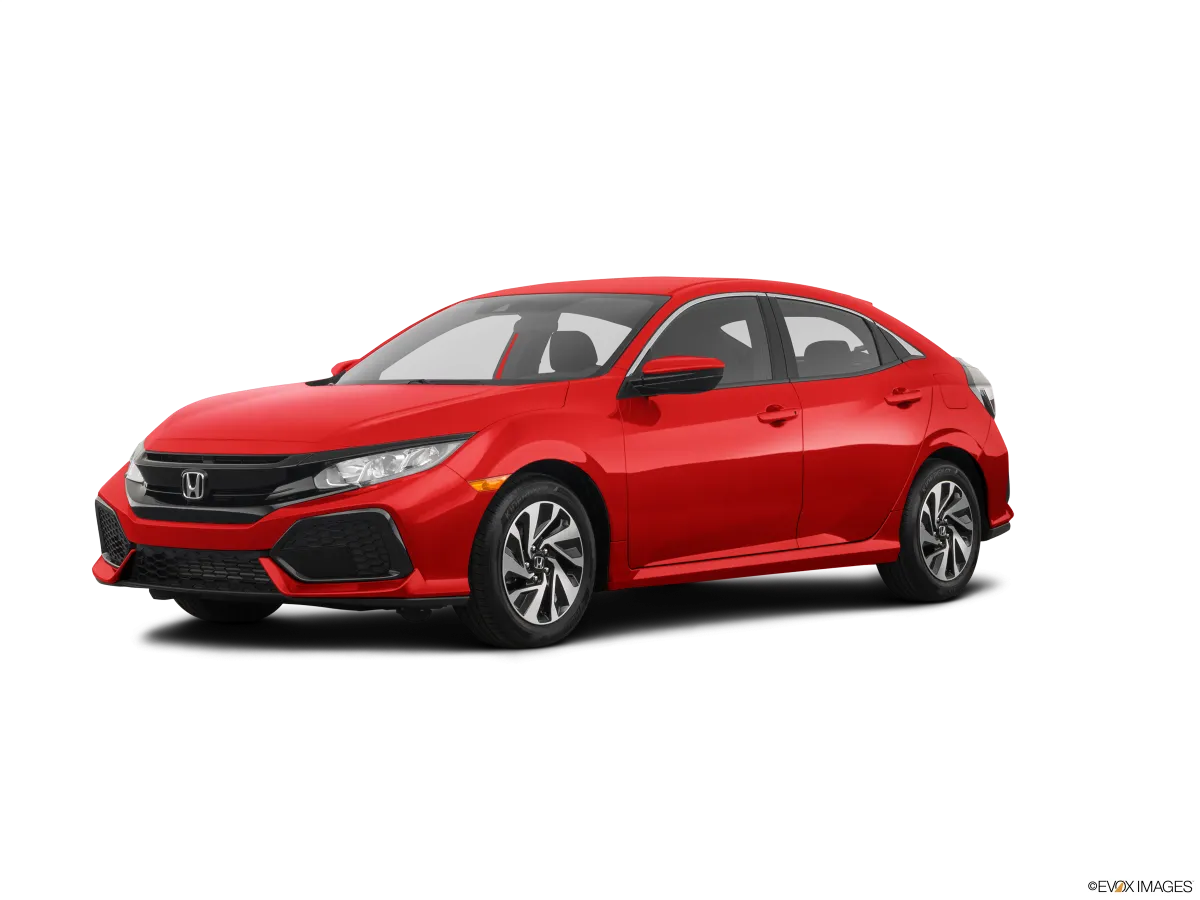 Photo: 2019 Honda Civic LX, via file.kelleybluebookimages.com
The Fuel Economy Surprise
Counterintuitively, base model cars often deliver worse fuel economy than their better-equipped siblings. This happens because manufacturers frequently pair smaller engines with less efficient transmissions in entry-level trims, while reserving the most advanced powertrains for higher trim levels.
The 2023 Subaru Impreza provides a perfect example. The base model gets an EPA-rated 28 mpg combined, while the Premium trim with additional features achieves 31 mpg. For a driver covering 15,000 miles annually, that 3 mpg difference costs about $200 extra per year in fuel, assuming $3.50 per gallon.
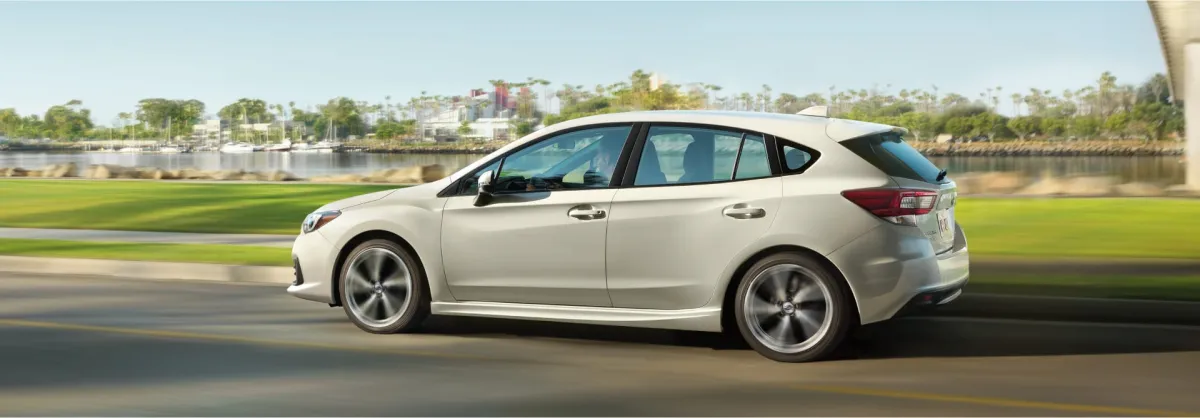 Photo: 2023 Subaru Impreza, via di-sitebuilder-assets.s3.amazonaws.com
The Hidden Maintenance Trap
Base models often lack features that reduce long-term maintenance costs. Missing items like automatic headlights, rain-sensing wipers, or advanced climate control might seem insignificant, but they represent convenience and durability advantages that add up over time.
More importantly, base models frequently use cheaper components throughout the vehicle. Lower-grade interior materials wear faster, requiring earlier replacement. Simpler suspension systems may need more frequent service. Basic electrical systems are often less robust, leading to more frequent repairs.
The Financing Mathematics
Here's where the budget car trap gets particularly sneaky: the monthly payment difference between a base model and a well-equipped version is often surprisingly small, while the total cost of ownership difference is enormous.
Let's run the numbers on a Honda Accord. The base LX trim starts around $26,000, while the EX (which includes significant additional equipment) runs about $29,500. Financed over 60 months at 6% interest, the monthly payment difference is roughly $65.
But remember our earlier calculations: the EX will likely save you money on insurance, fuel, maintenance, and depreciation. Those savings often exceed the $65 monthly payment difference, making the "expensive" trim actually cheaper to own.
The Feature Regret Factor
Beyond the financial calculations lies a human reality: you'll likely regret the missing features more than you anticipated. That manual transmission you chose to save money becomes exhausting in stop-and-go traffic. The lack of smartphone integration feels increasingly antiquated. The missing safety features create anxiety every time you drive.
This regret often leads to expensive aftermarket modifications or premature vehicle replacement — both of which obliterate any initial savings from buying the base model.
The Smart Budget Strategy
If you're genuinely budget-conscious, consider these alternatives to buying the cheapest new car:
Option 1: Buy a 2-3 year old vehicle from a higher trim level. You'll get better equipment, similar reliability, and often lower total cost of ownership than a new base model.
Option 2: Choose a mid-level trim from a less prestigious brand over the base trim from a premium brand. A well-equipped Nissan often costs less than a stripped Honda while offering more features.
Option 3: Wait for manufacturer incentives on better-equipped models. Automakers frequently offer rebates that make higher trims cost-competitive with base models.
The Real Cost of Cheap
The automotive industry has become expert at creating attractive entry-level prices that mask the true cost of ownership. Base models exist primarily as marketing tools — ways to advertise low starting prices while steering customers toward more profitable, better-equipped vehicles.
Understanding this dynamic helps explain why experienced car buyers rarely choose the cheapest option available. They've learned that in automotive purchases, as in most areas of life, you generally get what you pay for.
Making the Smart Choice
Before falling for that tempting base model price, calculate the total cost of ownership over your expected ownership period. Factor in insurance, fuel, maintenance, and resale value. More often than not, you'll discover that spending a bit more upfront saves significant money over time.
The cheapest car isn't the one with the lowest sticker price — it's the one that costs the least to own, drive, and eventually replace.