The Depreciation Story Dealers Tell You Is Missing Half the Picture
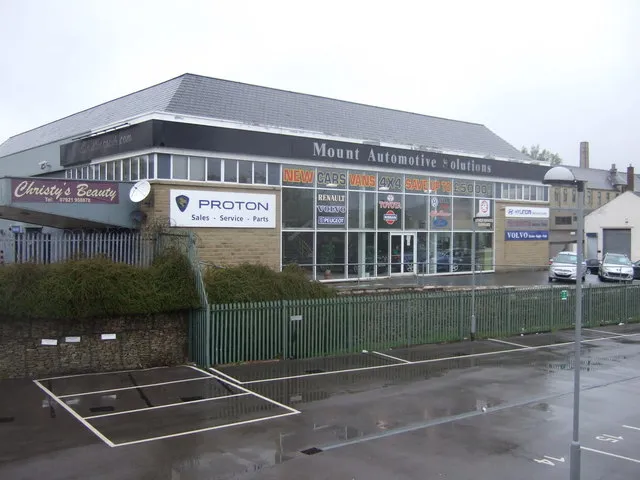
Photo: JThomas , CC BY-SA 2.0, via Wikimedia Commons
It's one of the most repeated facts in personal finance: drive a new car off the dealer lot and it instantly loses 20 percent of its value. Some versions of the story say 10 percent. Others say 30. The number shifts depending on who's telling it, but the core message stays the same — the moment you become the owner, the car becomes worth dramatically less.
There's truth in there. But the version most people carry around is a simplified shorthand that leaves out the parts that actually matter when you're buying, selling, or trading in a vehicle.
Where the 'Instant Loss' Idea Actually Comes From
The depreciation-off-the-lot concept has been circulating since at least the 1980s, and it's not wrong in spirit. A new car does lose value quickly in its early life. The issue is how people interpret that loss — and how dealers have learned to use it.
The statistic typically compares the MSRP of a new vehicle to its trade-in value some months later. But that comparison is doing a lot of hidden work. MSRP is a retail asking price. Trade-in value is what a dealer will offer you in a wholesale transaction. Comparing those two numbers and calling the gap "depreciation" is a bit like pricing a house at your dream number, then being shocked when a cash buyer offers less.
The car didn't lose 20 percent of its value. You lost the retail markup built into the original transaction.
Three Prices, One Car, Three Different Stories
Here's something most buyers never sit with long enough to understand: the same car, at the same moment in time, has at least three meaningfully different values.
The trade-in value is what a dealer offers you. This is a wholesale number, designed to leave room for the dealer to recondition and resell at a profit. It's the lowest of the three.
The private-party value is what you could realistically get selling the car yourself through a platform like Craigslist, Facebook Marketplace, or CarGurus. This sits above trade-in and reflects actual consumer-to-consumer demand.
The retail value is what a dealer would charge a buyer for that same car on their lot — often several thousand dollars above private-party pricing because it includes overhead, reconditioning, and profit margin.
When someone tells you a car "lost $5,000 the day they drove it home," they're almost always comparing the retail price they paid to the trade-in value they were later quoted. That's not depreciation in the economic sense. That's the spread between two different market positions.
What Actually Causes Early Value Loss
Real depreciation — the kind driven by market forces rather than transaction type — does happen quickly on new cars, but the mechanics are more nuanced than the myth suggests.
The biggest driver in the first year isn't time, it's supply. A new car you purchased last month competes directly with every unsold unit of the same model still sitting on dealer lots. If the manufacturer is still producing and dealers are still discounting, your year-old version is fighting against brand-new inventory at similar prices. That's a structural market problem, not a reflection of your specific car wearing out.
Model popularity matters enormously too. A hot-selling truck or SUV in a constrained market can hold its value for years. A sedan in a segment that's falling out of favor can lose significant ground in twelve months regardless of condition or mileage. The "20 percent in year one" figure is an average that papers over a huge range of real outcomes.
How Dealers Use the Myth to Their Advantage
The depreciation narrative is genuinely useful to dealers in two distinct situations.
When you're buying new, the story of rapid early depreciation is used to push you toward leasing. "Why buy when you'll lose so much value so fast?" It steers buyers into lease structures where the dealer controls residual values, money factors, and acquisition fees — none of which are as transparent as a simple loan.
When you're trading in, the same depreciation story is used to justify a low offer. "These things just don't hold value" is a lot easier to say than explaining the difference between wholesale and retail. Buyers who've internalized the depreciation myth are more likely to accept a lowball trade-in because they've been pre-conditioned to expect it.
The Number You Should Actually Be Watching
If you want a realistic picture of what your car is worth — or what a used car you're considering is actually valued at — look at completed private-party sales for identical vehicles in your region, not Kelley Blue Book estimates or dealer appraisals. Platforms like CarGurus and Facebook Marketplace show actual asking prices on real listings, which gives you a market-based anchor.
For trade-ins specifically, get competing offers from Carvana, CarMax, and at least one independent dealer before walking into the franchise lot. Those numbers will tell you far more than any depreciation chart.
The car you drive home does change in value. But the story of how, why, and by how much is controlled by whoever's doing the quoting — and knowing which number you're actually looking at changes everything.
The real story: The famous depreciation-off-the-lot stat conflates retail price with wholesale value. Real early depreciation exists but varies wildly by model and market conditions. The gap between what you paid and what you're offered later reflects transaction type as much as actual value loss — and dealers know exactly how to use that confusion.