That Scary Dashboard Warning Light Isn't Actually an Emergency
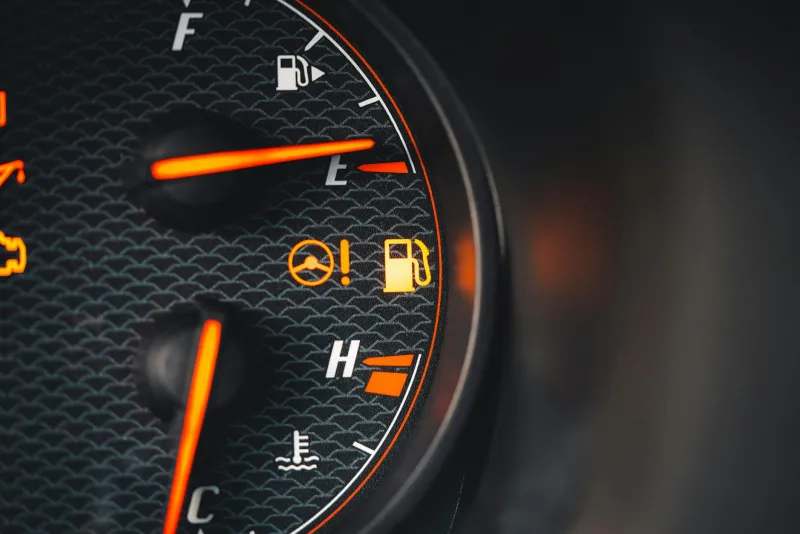
The Great Dashboard Panic of Modern Driving
Picture this: You're cruising down the interstate when suddenly, that dreaded amber glow appears on your dashboard. The check engine light. Your heart rate spikes, your palms get sweaty, and you immediately start calculating tow truck costs and mechanic bills. Sound familiar?
If you're like most American drivers, that little light has probably sent you into full panic mode at least once. But here's what the automotive industry doesn't want to make crystal clear: that ominous warning isn't the car equivalent of a heart attack alarm.
What Your Car Is Actually Trying to Tell You
The check engine light—officially called the Malfunction Indicator Lamp (MIL)—isn't some all-knowing oracle predicting your vehicle's imminent death. It's more like an overly cautious friend who calls 911 when you sneeze.
This light monitors your car's emissions system, not your engine's overall health. When it detects that your vehicle might be producing slightly more pollutants than legally allowed, it flips on. That's it. No dramatic engine explosions, no immediate breakdowns—just a bureaucratic reminder that something in your emissions control system isn't operating at peak efficiency.
The most common culprit? A loose gas cap. Seriously. According to automotive technicians, roughly 10-15% of all check engine light incidents can be traced back to a gas cap that wasn't twisted on quite tight enough after your last fill-up.
The Fear Factor Nobody Talks About
So why does this relatively mundane warning system strike terror into the hearts of drivers nationwide? Blame the automotive industry's communication problem.
When automakers designed this system in the 1990s to comply with federal emissions regulations, they created a single light to cover hundreds of potential issues—from that loose gas cap to a faulty oxygen sensor to a misfiring cylinder. It's like having a smoke detector that goes off whether you burned toast or your house is actually on fire.
The result? A generation of drivers who've learned to associate that amber glow with financial doom. Mechanics report that customers regularly arrive at their shops in near-panic, convinced their car is on its last legs, only to discover the "emergency" costs $3 in gas cap tightening or a $50 sensor replacement.
Reading Between the Lines of Your Dashboard
Here's what automotive technicians wish every driver understood: the check engine light operates on a priority system that most people never learn about.
A solid, steady light typically indicates a non-urgent issue. Your car will keep running, probably for thousands of miles, while you figure out when to address the problem. A flashing check engine light, however, signals something more serious—usually engine misfiring that could damage your catalytic converter if ignored.
The real emergency signals are completely different warnings: oil pressure lights, temperature gauges in the red zone, or battery warning lights. These actually indicate conditions that could strand you or damage your engine. But somehow, the check engine light gets all the attention.
The $100 Billion Misunderstanding
This widespread misunderstanding has real economic consequences. Americans spend roughly $100 billion annually on automotive repairs, and a significant chunk of that stems from check engine light anxiety. Drivers rush to mechanics for immediate diagnostics, pay for unnecessary "emergency" service calls, or worse—ignore the light entirely after one false alarm, potentially missing actual issues.
The automotive service industry hasn't exactly rushed to clarify things. After all, a panicked customer is often a profitable customer. But the reality is that most check engine light issues can wait for your next scheduled maintenance appointment.
Taking Control of Your Dashboard Drama
So what should you actually do when that light appears? First, don't panic. Check your gas cap—give it an extra twist and see if the light disappears after a day or two of driving. If your car is running normally—no strange noises, vibrations, or performance issues—you've got time to research the problem.
Many auto parts stores will scan your car's diagnostic codes for free, giving you a starting point for understanding what triggered the light. Armed with that information, you can make an informed decision about timing and urgency rather than rushing into panic mode.
The Real Picture Behind the Dashboard
The check engine light represents something larger about modern car ownership: the gap between what we think we know and what's actually happening under the hood. This single warning system has probably caused more unnecessary stress and expense than any other automotive feature of the past three decades.
Next time that amber light flickers on, take a deep breath. Your car isn't sending an SOS—it's just reminding you that even the most reliable machines need occasional attention. The real emergency is the panic, not the light itself.