The Tale of Two Testing Systems
Every car commercial seems to boast about safety awards: "Five-star NHTSA rating!" or "IIHS Top Safety Pick!" Shoppers dutifully compare these ratings, assuming they're measuring the same thing with different scales. They're not.
The National Highway Traffic Safety Administration (NHTSA) and the Insurance Institute for Highway Safety (IIHS) approach vehicle safety from fundamentally different angles, creating a situation where the same car can be a safety superstar according to one agency and merely adequate according to the other.
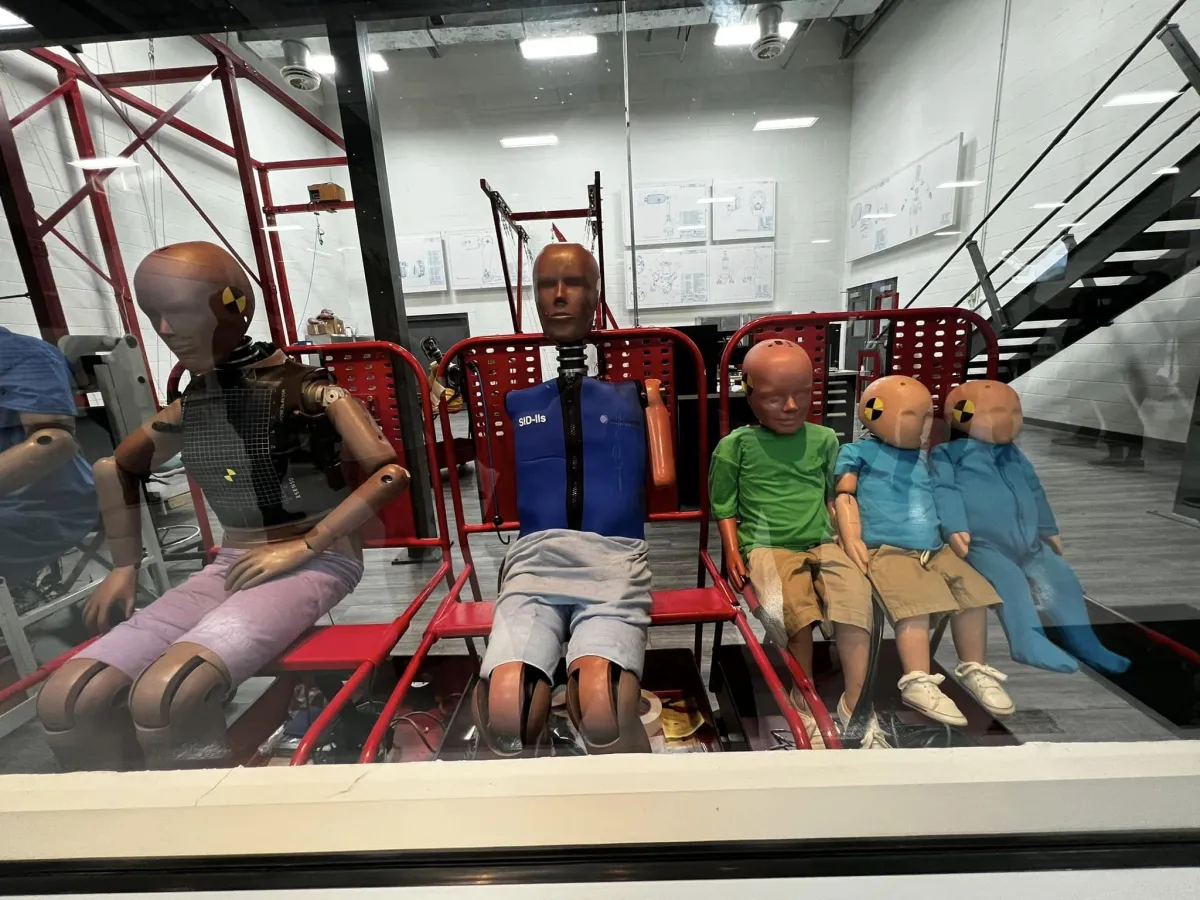 Photo: Insurance Institute for Highway Safety, via images.squarespace-cdn.com
 Photo: National Highway Traffic Safety Administration, via payload.cargocollective.com
NHTSA: The Government's Approach
NHTSA's five-star system focuses on what happens during a crash. Their tests simulate three basic scenarios: frontal impact, side impact, and rollover resistance. The testing uses standardized crash test dummies in controlled laboratory conditions, with specific impact speeds and angles designed to represent common real-world accidents.
A five-star NHTSA rating means the vehicle performed well in these specific tests, with low probability of serious injury to occupants. It's a solid baseline for crash protection, but it doesn't tell you much about accident avoidance or performance in crash scenarios outside their testing parameters.
IIHS: The Insurance Industry's Perspective
The Insurance Institute for Highway Safety takes a broader view of vehicle safety, testing not just crash protection but also crash prevention. Their evaluations include more varied crash scenarios—like the dreaded small overlap front test that catches many vehicles off guard—plus assessments of safety technology like automatic emergency braking and blind spot monitoring.
IIHS awards range from "Poor" to "Good" with special recognition for Top Safety Pick and Top Safety Pick+ awards. These top honors require strong performance across all crash tests plus effective crash prevention technology. It's a more holistic approach to safety, but also more complex to interpret.
When the Stars Don't Align
Here's where things get interesting: vehicles regularly excel with one agency while struggling with the other. The 2019 Chevrolet Silverado earned NHTSA's full five-star rating but received only "Marginal" scores from IIHS in key crash tests. Meanwhile, some IIHS Top Safety Pick winners have earned only four stars from NHTSA.
These discrepancies aren't flukes—they reflect fundamental differences in testing philosophy and methodology. NHTSA's tests use fixed barriers and specific impact angles, while IIHS employs more varied crash scenarios designed to challenge vehicle safety systems in different ways.
The Small Overlap Reality Check
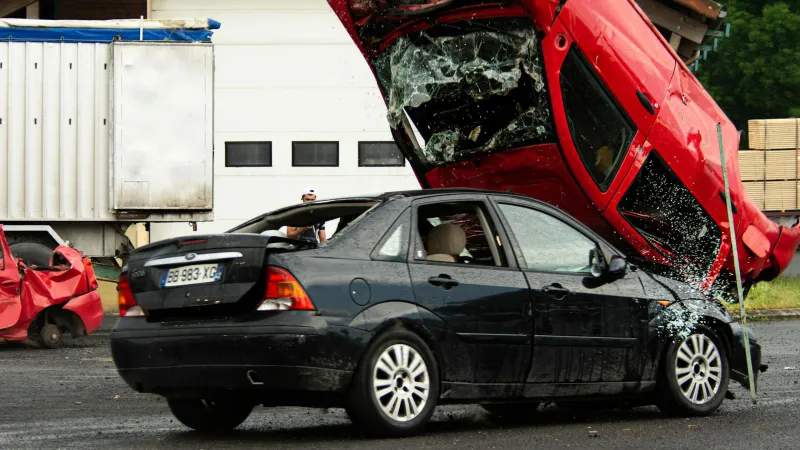
IIHS's small overlap front test perfectly illustrates why ratings diverge. This test simulates hitting a tree or utility pole with just the corner of the vehicle—a scenario that bypasses much of the car's main crash structure. Many vehicles with strong NHTSA scores struggle here because NHTSA doesn't test this specific crash type.
The 2017 Honda Ridgeline, for example, earned five stars from NHTSA but received a "Poor" rating in IIHS's small overlap test. Both ratings are accurate within their respective testing frameworks, but they paint very different pictures of the vehicle's safety performance.
The Technology Gap
Perhaps the biggest difference between the two systems is how they handle crash prevention technology. IIHS heavily weights automatic emergency braking, adaptive cruise control, and other driver assistance features in their awards. NHTSA's five-star system, while being updated to include some technology assessments, still focuses primarily on crash protection rather than crash prevention.
This creates situations where a vehicle with excellent crash test scores but minimal safety technology might earn five NHTSA stars while missing IIHS's top awards entirely. Conversely, a car with good-but-not-great crash performance might win IIHS recognition based on superior safety technology.
What Shoppers Should Actually Compare
Instead of treating these ratings as interchangeable, smart car buyers should understand what each system measures and which aspects matter most for their driving situation. If you're primarily concerned about surviving a crash, NHTSA's ratings provide clear guidance on occupant protection. If you want technology that might prevent crashes altogether, IIHS awards better reflect those priorities.
The most safety-conscious approach involves looking at both ratings plus specific test results that matter for your circumstances. City drivers might prioritize automatic emergency braking performance, while highway commuters might focus more on high-speed crash protection.
The Real-World Safety Picture
Both testing organizations provide valuable safety information, but neither tells the complete story. Real-world safety depends on factors neither agency fully captures: driver behavior, road conditions, maintenance quality, and countless variables that laboratory tests can't replicate.
The safest vehicle is typically one that performs well in both rating systems while matching your specific driving needs and patterns. A perfect safety rating means nothing if the vehicle's design encourages risky driving behavior or if its safety systems don't work well in your typical driving environment.
Beyond the Stars and Awards
The next time you see conflicting safety ratings, remember that you're not comparing apples to apples. Each rating system has strengths and blind spots, and the "safest" choice depends on which aspects of safety matter most for your situation.
Don't let marketing departments use these ratings to oversimplify your safety decision. The real picture requires understanding what each test measures, how those measurements apply to your driving reality, and which safety features will actually make a difference in your daily commute.