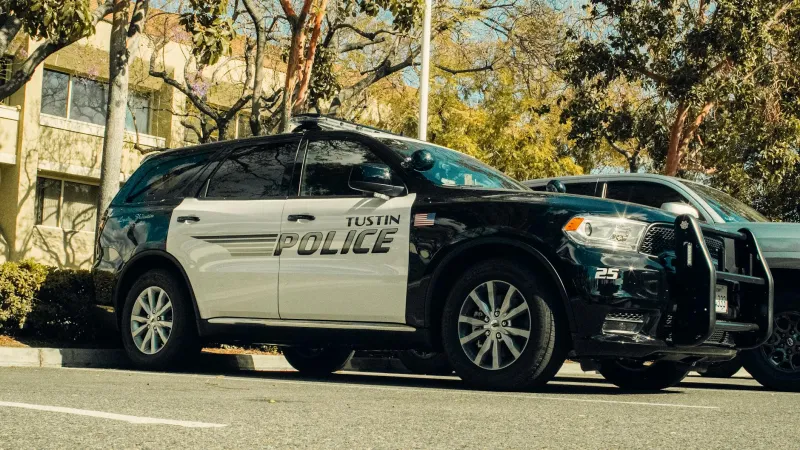
Walk into any used car lot and spot a former police interceptor or retired taxi cab, and watch potential buyers immediately steer clear. The assumption is universal: fleet vehicles are beat-up workhorses that have been driven hard and maintained poorly. But this widespread belief ignores some fundamental truths about how fleet operations actually work.
The Maintenance Reality Most People Never Consider
Fleet managers operate under completely different pressures than individual car owners. When a police department or taxi company has dozens or hundreds of vehicles, downtime equals lost money and compromised public safety. This creates an environment where preventive maintenance isn't optional—it's mandatory.
Most fleet operations follow manufacturer-recommended service intervals religiously, often exceeding them. Oil changes happen every 3,000-5,000 miles regardless of what the owner's manual suggests. Brake inspections occur monthly. Tire rotations and fluid checks happen on rigid schedules that would impress even the most meticulous private owner.
Compare this to the average private owner, who might stretch oil changes to 7,500 miles "because the manual says it's okay" or delay brake service until they hear grinding. Fleet vehicles live in a world of scheduled maintenance that most private cars never experience.
The "Hard Driving" Myth That Ignores Physics
Yes, police cars chase suspects and taxis navigate city traffic all day. But this creates a misleading picture of what "hard driving" actually means for engine longevity.
Police cruisers spend significant time idling, which means their engines run at optimal operating temperature for hours without the thermal cycling that kills private vehicles. When Officer Johnson sits in a parking lot running radar for four hours, that engine maintains steady oil pressure and temperature—conditions that are actually easier on mechanical components than your daily commute of cold starts and short trips.
Taxis accumulate high mileage, but most of it happens in steady-state driving conditions. Highway miles are easier on engines than the stop-and-go suburban driving that defines most private vehicle usage. A taxi with 200,000 miles of consistent city driving often has less internal wear than a suburban SUV with 100,000 miles of cold starts and parking lot sprints.
Where the Assumptions Come From
The fleet vehicle stigma developed during an era when police departments and taxi companies operated on shoestring budgets, squeezing every possible mile from vehicles before replacement. Images of smoking Crown Vics and rattling Chevy Impalas shaped public perception during the 1990s and early 2000s.
Modern fleet operations bear little resemblance to that era. Liability concerns, fuel efficiency requirements, and total cost of ownership calculations have transformed how organizations manage their vehicles. A broken-down patrol car or taxi costs far more in lost productivity than preventive maintenance.
The Real Evaluation Process
Smart buyers focus on maintenance records rather than vehicle history. A former police car with documented oil changes every 3,000 miles and brake service every 20,000 miles tells a better story than a private vehicle with spotty service records, regardless of how gently it was allegedly driven.
Certain components on fleet vehicles often exceed private vehicle standards. Police interceptors typically feature heavy-duty cooling systems, upgraded alternators, and reinforced suspension components. These modifications don't disappear when the vehicle enters civilian service.
Taxi cabs present a different equation. High mileage is inevitable, but transmission and engine components designed for commercial use often outlast their residential counterparts. The key is understanding what type of mileage the vehicle accumulated and how it was maintained.
The Exception That Proves the Rule
Not all fleet vehicles receive equal treatment. Rental cars represent the opposite extreme—high turnover, multiple drivers, and minimal emotional investment create genuinely problematic vehicles. But grouping police cars and taxis with rental fleets ignores the fundamental differences in operational requirements.
Emergency vehicles and commercial taxis must remain operational. Rental cars just need to survive until the next trade-in cycle.
What This Means for Your Next Purchase
The fleet vehicle discount exists because of widespread assumptions, not because the vehicles are inherently inferior. Buyers who understand maintenance realities can find well-maintained vehicles at below-market prices.
The real evaluation criteria should focus on service records, not service type. A former police cruiser with 80,000 miles and documented maintenance history might represent better value than a private vehicle with unknown service intervals and twice the price.
Fleet vehicles aren't automatically bargains or disasters—they're simply cars with different stories. Understanding those stories, rather than assuming them, reveals opportunities that assumption-driven buyers miss entirely.