The Expensive Car That Actually Saves You Money: Why Sticker Price Tells You Nothing

Picture this scenario: You're choosing between a $28,000 Honda Accord and a $35,000 Lexus ES. Most shoppers immediately gravitate toward the Honda, assuming they're saving $7,000. But after five years of ownership, the Lexus owner often comes out ahead financially.
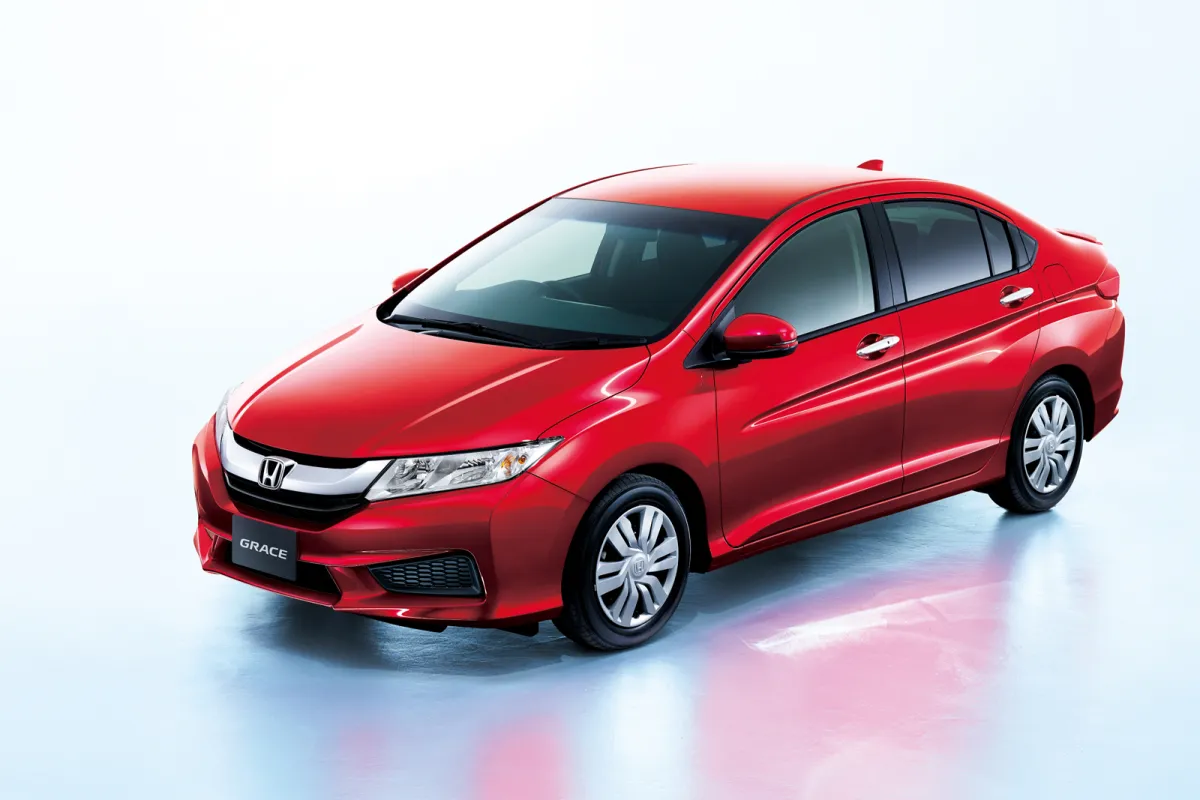 Photo: Honda Accord, via carsot.com
This counterintuitive reality plays out across the automotive market every day, as buyers focus obsessively on sticker price while ignoring the costs that actually determine how much a car will cost them.
The Purchase Price Trap
Sticker shock is real and immediate. When you see that $7,000 difference, your brain processes it as money leaving your wallet right now. The other costs—insurance premiums, fuel expenses, maintenance bills, depreciation—feel abstract and distant.
This psychological bias leads to systematically poor financial decisions. Buyers will spend hours negotiating to save $500 on purchase price, then choose a car that costs them thousands more in operating expenses they never calculated.
The automotive industry reinforces this behavior with advertising focused entirely on monthly payments and purchase incentives, rarely mentioning total cost of ownership.
Insurance: The Hidden Variable
Insurance costs can vary by thousands of dollars annually between similar vehicles, but most shoppers never check rates before buying. A sports car might cost 40% more to insure than a family sedan with the same sticker price. Over five years, that difference easily exceeds any purchase price savings.
Counterintuitively, some luxury vehicles cost less to insure than mainstream alternatives because they're driven by lower-risk demographics and have better safety ratings. The Volvo XC90, despite its premium price, often costs less to insure than a Jeep Grand Cherokee because insurance companies know their typical owners and crash test performance.
Young buyers are especially prone to this miscalculation. That "affordable" sports car becomes much less affordable when insurance quotes come back at $300+ per month.
Fuel Economy: The Daily Expense
A 5 mpg difference in fuel economy costs roughly $500 annually for an average driver. Over five years, that's $2,500—often enough to offset a higher purchase price entirely.
But the math gets more complex when you consider fuel type. Premium fuel requirements can add $300-600 annually to operating costs. However, some vehicles requiring premium fuel are so much more efficient that they still cost less to operate than regular-fuel alternatives.
The Toyota Prius, despite its higher purchase price compared to a Corolla, typically saves owners $1,000+ annually in fuel costs alone.
 Photo: Toyota Prius, via www.crediblebusinesses.com
Maintenance: Where Assumptions Fall Apart
Conventional wisdom suggests luxury cars are expensive to maintain, but the reality varies dramatically by brand and model. Some "affordable" vehicles have surprisingly high maintenance costs due to complex systems or expensive parts.
Mini Coopers, positioned as entry-level premium vehicles, often have higher maintenance costs than BMW 3 Series sedans. Volkswagen's mainstream models frequently cost more to maintain long-term than comparable Audis.
Meanwhile, brands like Lexus and Acura often match or beat mainstream competitors for maintenance costs while providing better reliability.
Depreciation: The Biggest Cost Nobody Calculates
Depreciation typically represents 40-60% of total ownership cost, yet most buyers never research resale values before purchasing. A car that costs $5,000 less upfront but loses $3,000 more in value annually is actually the expensive option.
Luxury vehicles often depreciate more in absolute dollars but less in percentage terms. More importantly, some hold value so well that their total depreciation is lower than cheaper alternatives.
Toyota and Lexus vehicles consistently demonstrate this pattern. The higher purchase price is offset by superior resale values, making them cheaper to own despite higher sticker prices.
The Real Math
Let's run actual numbers on that Honda versus Lexus comparison:
Honda Accord ($28,000 purchase price)
- Insurance: $1,400/year
- Fuel: $1,800/year (assuming premium recommended)
- Maintenance: $600/year average
- 5-year resale value: $14,000
- Total 5-year cost: $28,000 + $19,000 operating - $14,000 resale = $33,000
Lexus ES ($35,000 purchase price)
- Insurance: $1,200/year (better safety ratings, different buyer profile)
- Fuel: $1,600/year (better efficiency offsets premium fuel)
- Maintenance: $700/year (longer intervals, better reliability)
- 5-year resale value: $20,000
- Total 5-year cost: $35,000 + $17,500 operating - $20,000 resale = $32,500
The "expensive" Lexus actually costs $500 less to own over five years.
Regional and Personal Variables
These calculations vary based on individual circumstances. High-mileage drivers benefit more from fuel-efficient vehicles. Urban drivers face different insurance rates than suburban owners. Regional climate affects maintenance needs and resale values.
The key is running these numbers for your specific situation rather than assuming purchase price equals total cost.
Why This Matters Beyond Money
Beyond pure economics, buyers who focus only on purchase price often end up with vehicles that don't meet their actual needs, leading to earlier replacement and even higher total costs.
The "cheap" car that requires replacement after three years instead of five represents a massive hidden expense that never gets factored into the original decision.
The Smart Buyer's Approach
Before shopping, determine your total budget for transportation—not just purchase price, but monthly operating costs you can afford. Then evaluate vehicles based on total cost of ownership over your expected ownership period.
Many buyers discover that spending 15-20% more upfront actually reduces their total transportation costs while providing a better ownership experience.
The next time you see a higher sticker price and immediately look elsewhere, remember: that expensive car might be the cheapest option you'll find. The true picture only emerges when you calculate what it actually costs to own, not just to buy.