The Extended Warranty Pitch Works Because Most People Never Read What They Bought
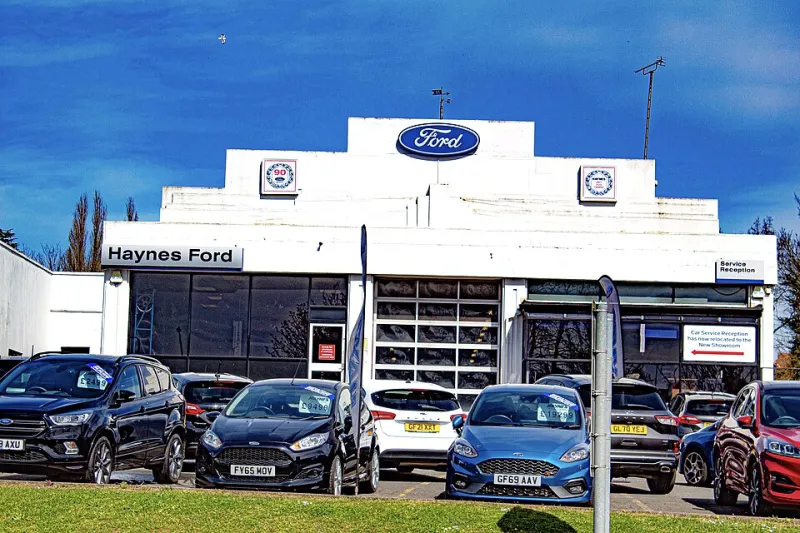
Photo: John K Thorne from Universal , Universal, CC0, via Wikimedia Commons
The Moment You're Most Vulnerable
It happens at the very end of a long car-buying day. You've negotiated the price, survived the trade-in conversation, and you're sitting in the finance office — tired, relieved, ready to be done. That's precisely when the finance manager slides a brochure across the desk and begins explaining the extended warranty.
The pitch is effective because the timing is deliberate. You're mentally exhausted, you've already committed to a major purchase, and the monthly payment difference for the warranty sounds small in the context of everything you've already agreed to spend. A few extra dollars a month for total peace of mind sounds entirely reasonable.
What that brochure doesn't explain is why the dealership is pushing this product so hard — and it has very little to do with protecting you.
The Margin the Dealer Doesn't Mention
Extended warranties, also called Vehicle Service Contracts (VSCs), are among the highest-margin products sold in a dealership's finance office. Dealers typically mark up these contracts significantly — sometimes doubling the administrator's cost — before presenting a price to you.
The company that actually administers the warranty (often a third-party firm, not the manufacturer) sets the base cost. The dealer adds their profit on top. In many cases, extended warranties are negotiable, though finance managers rarely volunteer that information.
More importantly, the dealer often has a financial incentive to sell you a specific administrator's product regardless of whether it's the best fit for your vehicle's actual risk profile. The relationship between dealer and warranty company is commercial, not advisory.
What 'Comprehensive' Coverage Usually Isn't
The language in extended warranty marketing tends toward the expansive. Words like comprehensive, bumper-to-bumper, and total protection create an impression of broad coverage. The actual contract document tells a more complicated story.
Most extended warranties fall into two structural categories: exclusionary and inclusionary. An exclusionary policy covers everything except what's specifically listed as excluded — which sounds generous until you read the exclusion list carefully. An inclusionary policy only covers the specific components listed — which is often a narrower set than buyers assume.
Common exclusions include wear-and-tear items like brake pads and rotors, maintenance components, cosmetic damage, and a broad category frequently described as "pre-existing conditions" — which administrators can use to deny claims on issues they argue existed before the contract began.
Deductibles add another layer. Some contracts charge a deductible per visit; others charge per repair. If your car needs three separate systems addressed in one shop visit, a per-repair deductible structure could mean paying $200 to $300 out of pocket even on a covered claim.
The 'Forget You Have It' Problem
Here's the dynamic dealers are quietly counting on: most people who buy extended warranties never use them effectively — not because nothing goes wrong, but because the claims process is complicated enough that owners either forget coverage exists, don't realize a repair is covered, or give up when facing friction from the administrator.
Using an extended warranty typically requires pre-authorization before the repair begins. If you take your car to a shop and they fix it before calling the warranty company, the claim is usually denied. Many independent repair shops don't want to deal with the authorization process at all, which limits where you can take your vehicle for covered repairs.
If you move, change phone numbers, or simply lose track of the paperwork, following up on a claim becomes genuinely difficult. The administrators' business model works better when fewer claims are paid out — and a complicated process serves that interest quietly and effectively.
What Actually Protects You
The most reliable protection against unexpected repair costs isn't a third-party warranty contract. It's buying a vehicle with a strong manufacturer warranty still intact, choosing a model with a demonstrated reliability record, and building a dedicated repair fund — essentially self-insuring against breakdowns.
For buyers who genuinely want extended coverage, manufacturer-backed extended warranties (offered directly by brands like Toyota, Honda, or Ford under their own certification programs) tend to offer cleaner claims processes and broader dealer networks than third-party products. They're usually more expensive, but the coverage terms are typically more transparent.
If you're considering a third-party VSC, the single most important step is reading the actual contract before you sign — not the brochure, the contract. Pay specific attention to the exclusion list, the deductible structure, the claims authorization process, and the cancellation terms.
The Takeaway
Extended warranties aren't inherently useless. For certain buyers, on certain vehicles, in certain circumstances, they provide genuine value. The problem isn't the product category — it's the sales context in which they're presented, the profit structure built around them, and the gap between what the marketing implies and what the contract actually delivers.
The pitch works because it arrives when you're tired, sounds affordable in the moment, and promises something everyone genuinely wants: certainty. What you're actually buying is a contract with terms that deserve the same scrutiny as anything else you'd sign for several thousand dollars.
Take the paperwork home. Read it before you decide. The finance office will still be there tomorrow.