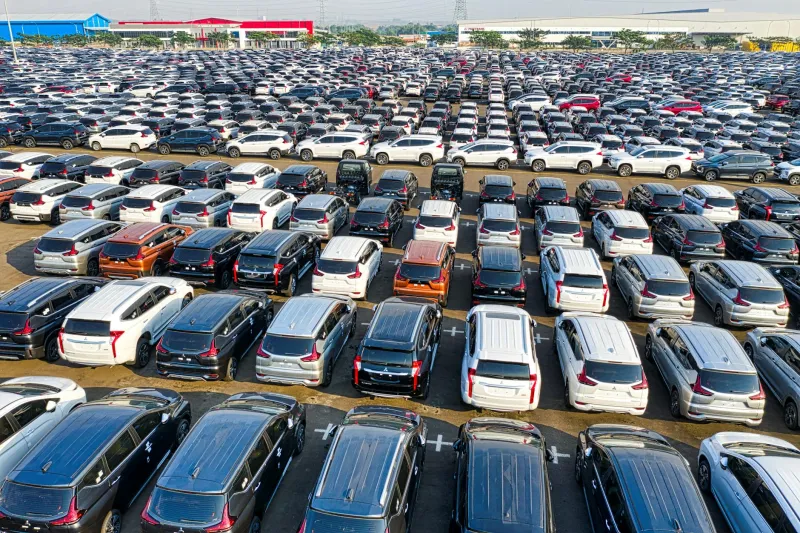
Walk into any used car lot and mention you're looking at a former rental vehicle, and you'll likely get a knowing look from friends and family. "Don't buy that," they'll warn. "Rental cars get beaten up by people who don't care about them."
This advice made perfect sense in 1985. It's costing you money in 2024.
The Rental Car Horror Stories Are Mostly Urban Legend
The image of rental cars getting thrashed comes from decades of anecdotes about business travelers flooring accelerators and vacation drivers who've never parallel parked attempting to squeeze a Camaro into downtown Boston spaces. These stories spread because they're memorable, not because they're representative.
Most rental car usage is surprisingly mundane. Airport runs, highway driving to business meetings, and family road trips where parents are just as careful as they'd be in their own vehicle. The majority of renters treat these cars exactly like they treat their own—because most people aren't actually car-destroying maniacs when nobody's watching.
More importantly, the occasional hard acceleration or aggressive parking attempt doesn't destroy modern vehicles the way it might have damaged cars from previous decades. Today's engines and transmissions are designed to handle much more stress than typical driving provides.
Rental Companies Maintain Better Records Than You Do
Here's what the "never buy rental" crowd misses: major rental companies maintain their fleets on schedules that would make most private car owners feel guilty about their own maintenance habits.
Enterprise, Hertz, and Budget don't keep cars that break down frequently. A vehicle that needs constant repairs costs them money in downtime, towing fees, and customer complaints. They perform oil changes, tire rotations, and scheduled maintenance based on mileage intervals that are often more frequent than manufacturer recommendations.
Every service is documented. When you buy a former rental car, you're getting maintenance records that private sellers rarely provide. You know exactly when the oil was changed, when the tires were rotated, and what repairs were performed. Try getting that level of documentation from someone selling their personal vehicle on Craigslist.
The Real Quality Control Advantage
Rental companies also catch problems early because their cars are in constant use. A private owner might drive 12,000 miles per year and not notice a developing issue for months. A rental car accumulates that same mileage in a few months, meaning problems surface quickly and get addressed while they're still minor.
When a rental car develops a rattle, pulls to one side, or shows any sign of trouble, it gets pulled from the fleet immediately. Rental companies can't afford to have customers complaining about vehicle problems, so they're motivated to fix issues that many private owners might ignore or postpone.
Why the Myth Persists
The "rental cars are junk" belief survives because it feels intuitively correct. We imagine strangers treating rental cars worse than their own vehicles, and that matches our general skepticism about how people behave when they're not personally invested in something.
This assumption also gets reinforced by selection bias. When someone has a bad experience with a former rental car, they remember it and share the story. When someone buys an ex-rental that runs perfectly for years, there's no dramatic story to tell.
The used car industry hasn't done much to counter this perception either. Dealers often prefer to sell non-rental vehicles at higher prices, so they're not motivated to educate buyers about the advantages of former rental cars.
What Actually Matters When Buying Used
Instead of automatically eliminating rental cars from your search, focus on factors that actually predict reliability: maintenance records, accident history, and overall condition. A well-maintained rental car with complete service records is a better bet than a private-owner vehicle with mysterious gaps in its maintenance history.
Look for signs of actual neglect or abuse: worn pedals, excessive interior wear, or evidence of poor maintenance. These problems can occur in any used car, regardless of its rental history.
Check the vehicle identification number (VIN) to see if the car was part of a rental fleet, but don't let that information automatically disqualify it. Instead, use it as a starting point to request maintenance records and ask specific questions about the vehicle's service history.
The Bottom Line
Avoiding former rental cars eliminates a significant portion of the used car market based on outdated assumptions. Modern rental fleets are well-maintained, thoroughly documented, and often represent some of the best values available.
The next time someone warns you away from a rental car, ask them when they last compared maintenance schedules between rental companies and typical private owners. The answer might surprise both of you.