That Premium German Badge Comes from a Golden Era That Ended Before You Were Born
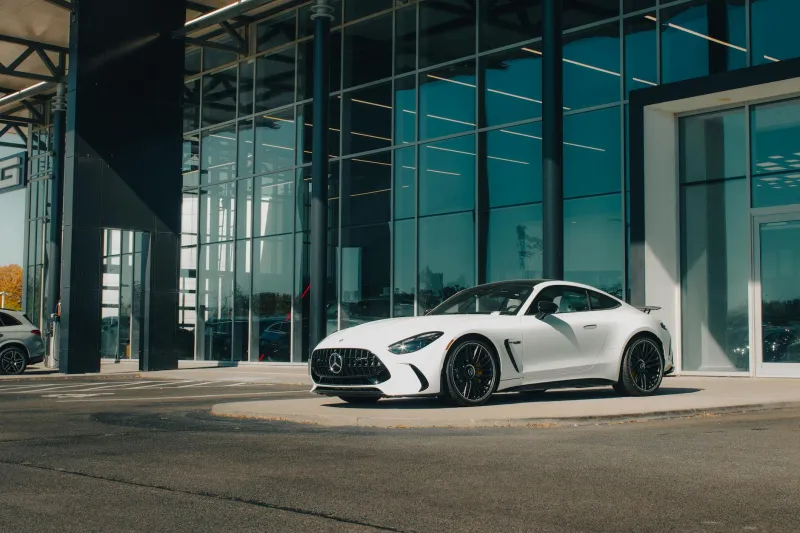
Walk into any American car dealership, and you'll hear the same refrain: "German engineering." Those two words justify price premiums of $10,000 or more, convincing buyers that a BMW, Mercedes, or Audi represents the pinnacle of automotive precision and reliability.
But here's what most car shoppers don't realize: the reputation driving these premium prices was earned during a specific window of automotive history that closed decades ago.
The Golden Years That Built the Legend
The "German engineering" mystique took root in America during the 1970s and early 1980s, when German automakers genuinely offered superior build quality compared to domestic alternatives. While American manufacturers struggled with quality control issues during the malaise era, German cars delivered consistent performance and impressive longevity.
This reputation wasn't marketing hype—it was earned through real engineering advantages. German manufacturers invested heavily in precision manufacturing, rigorous testing, and over-engineering components to last well beyond expected lifespans. A 1980 Mercedes-Benz or BMW could realistically deliver 200,000 miles with proper maintenance, while many American cars of the era struggled to reach 100,000 miles without major repairs.
The problem? That competitive landscape changed completely, but the pricing strategy never adjusted to match reality.
What Modern Reliability Data Actually Shows
Today's reliability rankings tell a dramatically different story than the one German automakers want you to hear. According to J.D. Power's 2023 Vehicle Dependability Study, not a single German luxury brand ranks in the top 10 for three-year reliability.
Lexus, Toyota, and Genesis—all Asian brands—dominate the reliability charts. Even mainstream American brands like Buick now outrank premium German competitors in long-term dependability studies.
Consider these specific examples from recent reliability data:
- A 2020 Toyota Camry reports fewer problems per 100 vehicles than a 2020 BMW 3 Series that costs $15,000 more
- Genesis (Hyundai's luxury division) consistently outperforms Mercedes-Benz in customer satisfaction surveys
- Lexus has topped reliability rankings for over a decade, while German luxury brands struggle to crack the top 15
 Photo: Toyota Camry, via toyotacanada.scene7.com
The Engineering Philosophy That Backfired
Modern German automakers didn't abandon quality—they embraced complexity. Today's German cars feature incredibly sophisticated systems: adaptive air suspension, complex infotainment interfaces, and electronic systems that control everything from door handles to engine mounts.
This complexity creates more potential failure points, not fewer. A modern BMW might have 150 different electronic control modules compared to 20 in a Toyota. Each additional system represents another component that can malfunction, often requiring expensive dealer-only diagnostic equipment and proprietary parts.
The irony is striking: German manufacturers doubled down on engineering complexity precisely when competitors were perfecting simpler, more reliable approaches.
Why the Premium Persists Despite the Evidence
Several psychological factors keep the "German engineering" premium alive, even as the performance gap has reversed:
Brand Heritage: Buyers associate German badges with prestige and quality based on historical reputation, not current performance data.
Marketing Investment: German automakers spend billions reinforcing their engineering narrative through advertising and dealer training.
Confirmation Bias: Owners who paid premium prices for German cars are psychologically motivated to believe they made the right choice, even when faced with repair bills that would shock Toyota owners.
Status Signaling: For many buyers, the badge matters more than the actual engineering underneath. A BMW in the driveway communicates something specific about the owner's success and taste.
The Real Cost of Buying Yesterday's Reputation
The financial impact of this outdated reputation extends far beyond the initial purchase price. German luxury vehicles typically cost 40-60% more to maintain over five years compared to Japanese luxury competitors.
Parts availability creates another hidden cost. When a German car needs repair, you're often locked into dealer-only parts and specialized labor. A brake job that costs $400 on a Lexus might run $800 on a comparable BMW, not because the BMW's brakes are superior, but because the parts cost more and require specialized knowledge to install properly.
Depreciation patterns also reveal the market's growing awareness of these reliability issues. German luxury cars lose value faster than their Japanese counterparts, suggesting that informed buyers increasingly recognize the total cost of ownership reality.
Making Informed Decisions in Today's Market
This doesn't mean German cars are inherently bad choices—it means they're no longer automatically superior choices. If you love the driving dynamics of a particular BMW or appreciate Mercedes' interior design, those are valid reasons to choose German engineering.
But if you're paying extra specifically for reliability, longevity, or lower ownership costs, current data suggests you're buying a reputation that peaked before smartphones existed.
The smart approach? Research specific models using current reliability data, not historical brand reputation. Compare total ownership costs, not just purchase prices. And remember that the engineering excellence you're paying for might be more about marketing legacy than mechanical reality.
The "German engineering" story isn't entirely fiction—it's just decades out of date. Today's car buyers deserve to know what their premium dollars are actually purchasing: a prestigious badge with a legendary past, not necessarily a superior driving future.