The Hidden Price of Your Car's Paint Job — What Dealers Don't Tell You About Color Choices
The Hidden Price of Your Car's Paint Job — What Dealers Don't Tell You About Color Choices
When you're standing on a car lot, debating between the sleek black sedan and the bright red one, you're probably thinking about which color makes you feel more confident or matches your personality. What you're likely not considering is how that choice could quietly cost you thousands of dollars over the life of your vehicle.
Most drivers assume car color is purely aesthetic — a personal preference that doesn't affect anything beyond curb appeal. But research reveals that your paint choice influences everything from resale value to how law enforcement and insurance companies perceive your vehicle.
The Real Story Behind Resale Values
Here's what the automotive industry knows but rarely advertises: certain colors consistently perform better when it comes time to sell or trade in your vehicle. According to data from automotive research firm iSeeCars, cars in neutral colors like white, black, gray, and silver typically retain their value better than vehicles in more adventurous shades.
White vehicles, in particular, have dominated the global market for over a decade, accounting for nearly 40% of all car sales worldwide. This popularity translates directly into stronger resale values because there's simply more demand for these colors on the used car market.
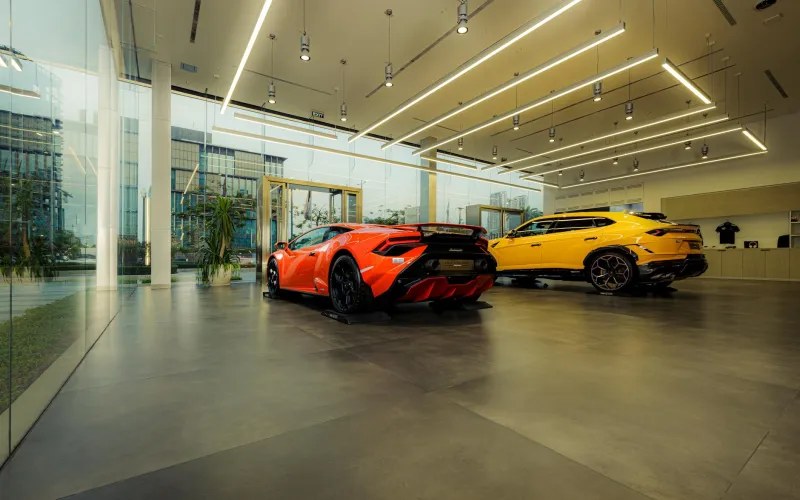
Conversely, that eye-catching yellow sports car or lime green SUV that turns heads today could become a liability when you're ready to upgrade. Unique colors often appeal to a much smaller pool of potential buyers, which typically means longer time on the market and lower selling prices.
The Insurance Myth That Won't Die
One of the most persistent automotive myths involves red cars and higher insurance rates. Ask around, and you'll find plenty of people who swear that red vehicles cost more to insure because insurance companies assume red car owners are more aggressive drivers.
The truth? Insurance companies don't factor color into their rate calculations at all. They care about your driving record, the car's safety ratings, theft statistics for your specific model, and where you live — but not whether you chose cherry red or midnight blue.
This misconception likely stems from the association between red cars and sports cars, which do often carry higher insurance premiums. But that's because sports cars are typically more expensive to repair, more likely to be stolen, and statistically more likely to be involved in accidents — not because of their paint job.
The Speeding Ticket Question
Similarly, the idea that red cars get pulled over more often has become automotive folklore. While some informal surveys have suggested red cars might receive more tickets, there's no comprehensive data to support this claim.
What we do know is that conspicuous colors can make vehicles more noticeable to law enforcement, but this applies to any bright or unusual color, not just red. A neon green Lamborghini is probably more likely to attract police attention than a silver Honda Accord, regardless of how fast either one is traveling.
The Psychology Behind Color Preferences
The reason neutral colors dominate isn't just about resale values — it's deeply rooted in psychology and practicality. White and silver cars show dirt less obviously than darker colors, while black vehicles can look more formal and luxurious but require more frequent washing to maintain their appearance.
Cultural factors also play a role. In many Asian markets, white is considered especially desirable for its association with cleanliness and status. In contrast, some European markets have traditionally favored darker colors, though global trends are converging toward lighter shades.
What This Means for Your Next Purchase
None of this means you should automatically choose the most popular color, but understanding these factors can help you make a more informed decision. If you're someone who keeps cars for many years and doesn't worry about resale value, choose whatever color makes you happy. But if you typically trade in every few years, opting for a neutral color could save you money in the long run.
For buyers considering lease agreements, color choice matters even more since you'll be returning the vehicle to the dealer, who will need to resell it. Choosing an unpopular color could result in excess wear charges if the dealer struggles to move the vehicle.
The Bottom Line
Your car's color affects more than just your daily driving experience — it quietly influences your vehicle's financial performance throughout its lifetime. While you shouldn't let resale value dictate every decision, being aware of these hidden costs can help you make choices that align with both your personal preferences and your financial goals.
The next time you're at a dealership, remember that the "boring" silver option might be the smartest financial choice, even if the metallic blue is calling your name.