The Horsepower Marketing Machine
Open any car website or walk through a dealership, and you'll see horsepower numbers prominently displayed like badges of honor. 300 horsepower! 400 horsepower! 500 horsepower! The assumption seems obvious: more horsepower equals more performance. But this number that dominates car shopping decisions is measured under conditions so artificial that it barely relates to how your car will actually feel on the road.
Horsepower ratings come from dynamometer testing under ideal laboratory conditions: perfect temperature, optimal humidity, fresh fluids, and an engine that's been precisely tuned for maximum output. Your car will never operate under these conditions in real life.
The Laboratory vs. Your Driveway
Automakers measure peak horsepower at a specific RPM where the engine produces maximum power—often near the redline where you'll rarely drive. A car rated at 300 horsepower might only produce 180 horsepower at the RPM range you actually use during daily driving.
This explains why some cars with impressive horsepower figures feel sluggish in normal driving, while others with lower ratings feel surprisingly quick. The horsepower number tells you what happens at peak performance, not what you'll experience merging onto highways or passing slower traffic.
Temperature alone can dramatically affect real-world power output. That 300-horsepower engine might only produce 270 horsepower on a hot summer day, or 320 horsepower on a cold winter morning. Altitude, humidity, and even fuel quality all impact actual performance in ways the laboratory rating can't capture.
Why Torque Tells the Real Story
While shoppers fixate on horsepower, automotive engineers focus on torque—the rotational force that actually moves your car. Torque determines how quickly you accelerate from a stoplight, how easily you merge into traffic, and how confidently you can pass on two-lane roads.
A diesel pickup truck might produce only 200 horsepower but generate 400 lb-ft of torque, making it feel more powerful in everyday driving than a sports car with 300 horsepower but only 250 lb-ft of torque. The diesel delivers usable power exactly when you need it: at low RPMs during normal driving.
This is why electric vehicles feel so quick despite modest horsepower ratings. Electric motors deliver maximum torque instantly, from zero RPM. A Tesla Model 3 with 283 horsepower feels faster than many gasoline cars with significantly higher horsepower ratings because it delivers full torque the moment you press the accelerator.
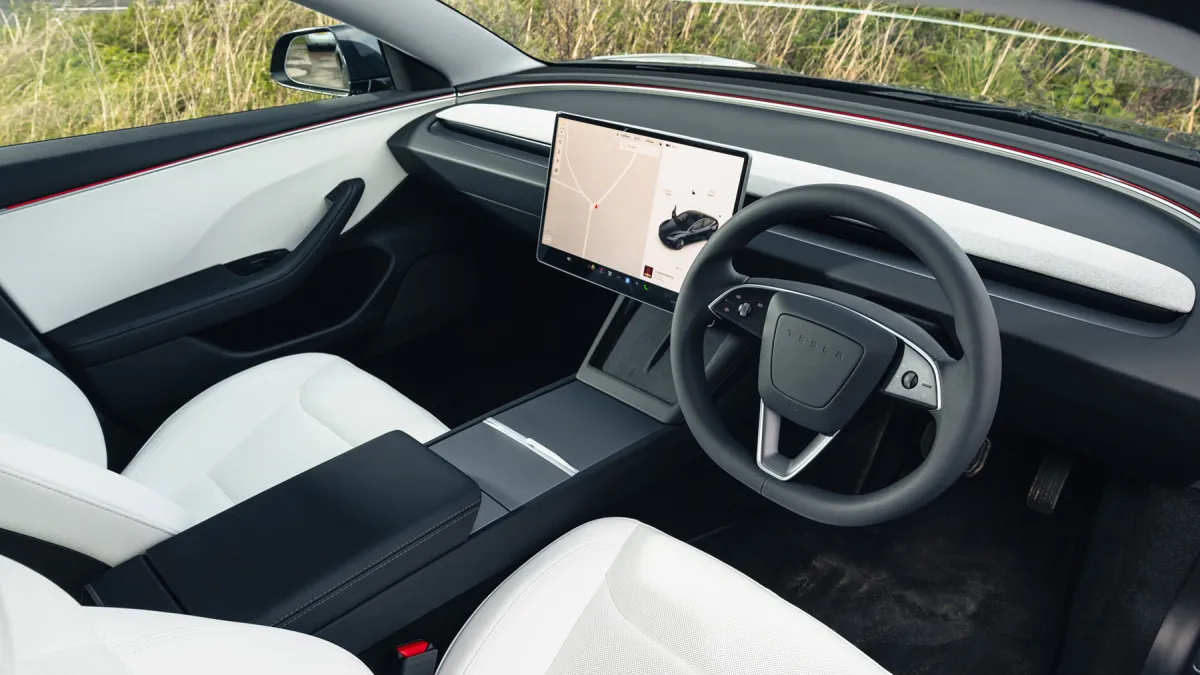 Photo: Tesla Model 3, via www.topgear.com
The Weight Problem Nobody Mentions
Horsepower means nothing without considering what it has to move. A 3,000-pound car with 200 horsepower has a better power-to-weight ratio than a 4,500-pound SUV with 280 horsepower. The lighter car will accelerate faster, stop shorter, and handle better despite the lower horsepower number.
This is why a Mazda MX-5 Miata with just 181 horsepower feels sportier than many SUVs with twice the power. The Miata weighs 2,300 pounds compared to 4,000+ pounds for most SUVs. Every horsepower in the Miata works harder because it has less weight to move.
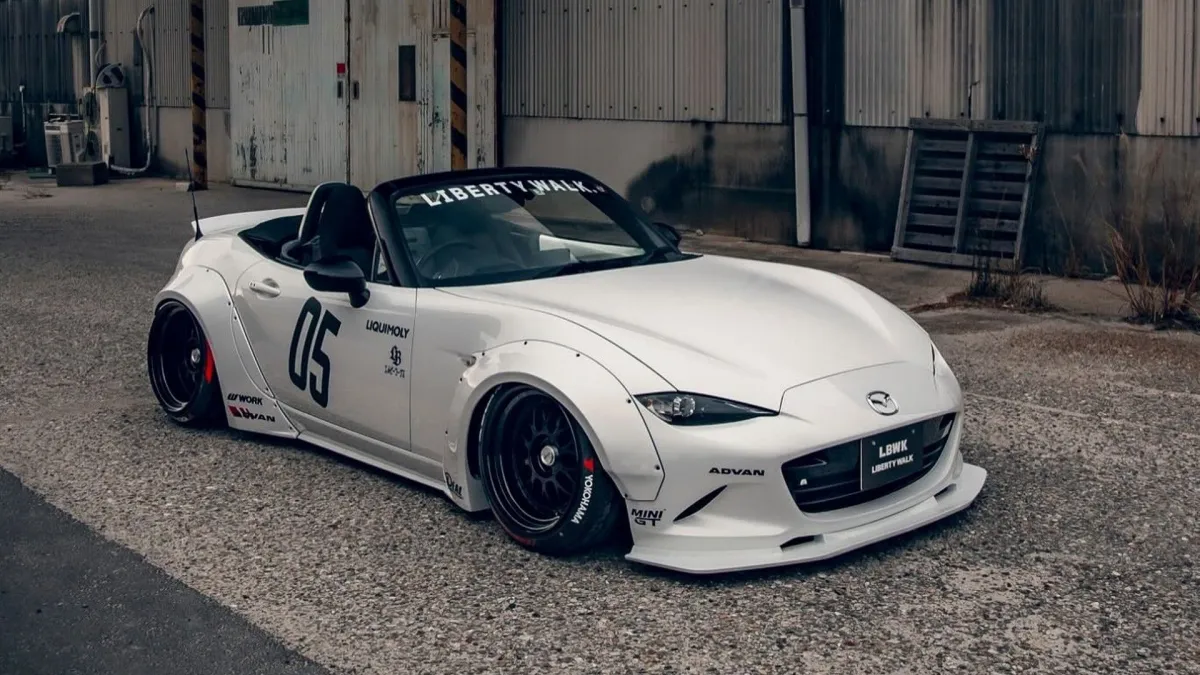 Photo: Mazda MX-5 Miata, via static0.carbuzzimages.com
Luxury cars often suffer from this horsepower-to-weight disconnect. Manufacturers add power to compensate for weight, but they also add features that increase weight, creating a cycle where impressive horsepower numbers mask mediocre real-world performance.
Transmission: The Forgotten Performance Factor
The transmission determines how effectively your engine's power reaches the wheels. A well-designed transmission can make a modest engine feel energetic, while a poor transmission can make a powerful engine feel sluggish.
Continuously variable transmissions (CVTs) often sacrifice performance feel for fuel economy. Even with adequate horsepower, CVT-equipped cars can feel unresponsive because the transmission doesn't provide the crisp gear changes that make acceleration feel immediate.
Conversely, a well-tuned automatic or manual transmission with properly spaced gear ratios can make a lower-horsepower engine feel more engaging than a higher-horsepower engine paired with a sluggish transmission.
The Marketing Numbers Game
Automakers understand that consumers shop by horsepower numbers, so they've become creative about maximizing these figures. Engine tuning focuses on peak power output rather than broad, usable power delivery. This creates engines that look impressive on paper but feel disappointing in real-world driving.
Turbocharging has become particularly susceptible to this marketing approach. A small turbocharged engine might produce impressive peak horsepower for a few seconds under ideal conditions, but suffer from turbo lag and heat-related power loss during sustained driving.
Some manufacturers even offer multiple horsepower ratings for the same engine, depending on tuning and supporting systems. The "horsepower wars" have led to engines optimized for dyno testing rather than daily driving enjoyment.
What Actually Makes Cars Feel Fast
Real-world performance comes from the harmony of multiple factors:
Torque delivery: How much rotational force the engine produces across its RPM range Power-to-weight ratio: Total horsepower divided by vehicle weight Transmission tuning: How effectively power transfers to the wheels Throttle response: How quickly the engine responds to accelerator input Gearing: How the transmission multiplies engine power for different driving situations
Shopping Beyond the Numbers
Instead of comparing horsepower figures, focus on how cars actually feel during test drives. Pay attention to acceleration from stops, passing power at highway speeds, and how the engine responds to throttle input. These characteristics matter more for daily driving than peak horsepower ratings.
Read professional reviews that include acceleration testing and real-world driving impressions. A car that accelerates from 0-60 mph in 7 seconds will feel quicker in daily driving than one that takes 8 seconds, regardless of their respective horsepower ratings.
The Real Performance Picture
Horsepower sells cars, but it doesn't determine how they drive. Understanding the difference between marketing numbers and real-world performance helps you choose vehicles that actually deliver the driving experience you want, rather than just impressive specifications that look good on paper.
The next time you see a horsepower figure, remember: it's just one piece of a much more complex performance puzzle.