The 'Lifetime' Transmission Fluid That Automakers Don't Expect to Last Your Car's Actual Lifetime
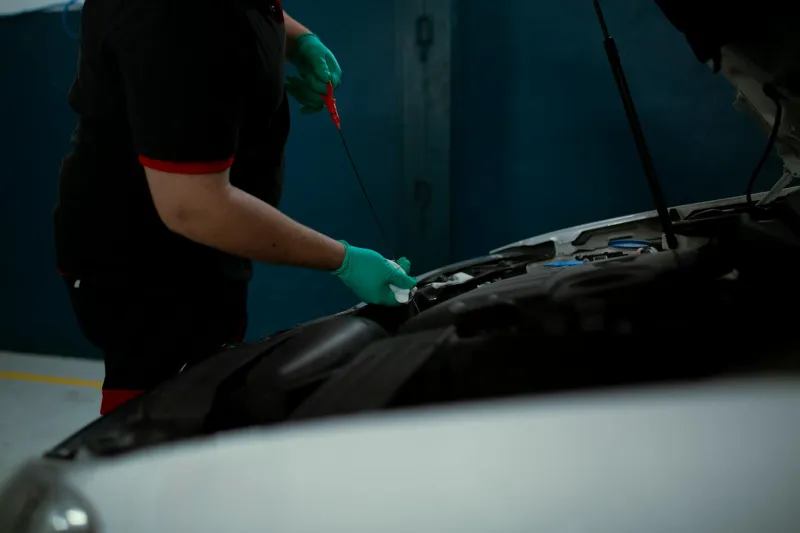
Walk into any auto parts store and ask about transmission fluid, and you'll likely hear someone mention "lifetime" fluid that never needs changing. It's become automotive gospel: modern cars have transmission fluid that's designed to last the entire life of the vehicle. But here's what most drivers don't realize — automakers and consumers have very different definitions of what "lifetime" actually means.
The Great Translation Gap
When Honda, Toyota, BMW, or any major automaker stamps "lifetime fill" on a transmission specification, they're not talking about your grandmother's 300,000-mile Camry. In automotive engineering terms, "lifetime" typically means the duration of the powertrain warranty — usually around 100,000 to 150,000 miles, depending on the manufacturer.
This isn't some conspiracy to trick consumers. It's a reflection of how automakers calculate costs, warranties, and expected vehicle lifecycles. Most manufacturers design their warranties around the assumption that the average American driver will trade in their vehicle within 6-8 years, long before major transmission issues typically surface.
Where the Confusion Started
The "lifetime" transmission fluid concept gained traction in the early 2000s as automakers pushed for lower maintenance costs to make their vehicles more appealing. Marketing departments loved the idea — who wouldn't want a car that never needs its transmission serviced?
But the engineering reality was more nuanced. These fluids were indeed more advanced than previous generations, with better heat resistance and longer-lasting additives. However, "longer-lasting" in engineering terms meant 100,000-150,000 miles under normal conditions, not the 200,000-300,000 miles many drivers hoped to get from their vehicles.
What 'Normal Conditions' Actually Means
Here's where the disconnect gets expensive. Automakers base their "lifetime" calculations on ideal driving conditions: moderate temperatures, highway driving, regular use, and proper maintenance of other systems. But most American driving doesn't fit this profile.
Stop-and-go traffic, extreme temperatures (both hot and cold), towing, and even aggressive acceleration all count as "severe" conditions that can break down transmission fluid faster. If you've ever sat in bumper-to-bumper traffic during a summer heat wave, you've subjected your transmission to conditions that weren't part of the "lifetime" calculation.
The Real Numbers Behind the Marketing
Independent transmission specialists and mechanics who see the long-term results tell a different story. Most recommend transmission fluid changes between 60,000 and 100,000 miles, regardless of what the owner's manual says about "lifetime" fluid.
Why the discrepancy? Transmission fluid doesn't just lubricate — it also carries away heat and contaminants. Over time, even the best synthetic fluid accumulates microscopic metal particles, breaks down under heat stress, and loses its ability to protect expensive internal components.
AAA's automotive research division found that transmission fluid labeled as "lifetime" showed significant degradation in performance after 100,000 miles of real-world driving. The fluid didn't fail catastrophically, but it had lost enough of its protective properties to potentially shorten transmission life.
The Hidden Cost of Following the Label
The financial reality is stark: a transmission fluid change costs between $150-400, depending on your vehicle. A transmission replacement or rebuild costs $3,000-5,000 or more. Even if changing "lifetime" fluid at 75,000 miles only reduces your transmission failure risk by 20%, the math heavily favors preventive maintenance.
Consumer Reports' long-term vehicle reliability data shows that cars with regular transmission service (regardless of manufacturer recommendations) have significantly lower rates of transmission problems after 150,000 miles compared to those that follow "lifetime" fluid schedules.
Why the Myth Persists
Several factors keep the "lifetime" fluid myth alive. First, transmission problems often don't appear until well after the original warranty expires, so the connection between skipped maintenance and eventual failure isn't always obvious. Second, many drivers trade in vehicles before hitting the mileage where transmission issues typically surface.
Automakers also have little financial incentive to change the messaging. Warranty claims for transmissions typically occur within the period where even "lifetime" fluid is still functioning adequately. By the time problems develop, most vehicles are out of warranty and become the owner's responsibility.
What This Means for Your Wallet
If you're planning to keep your car beyond 100,000 miles, consider treating "lifetime" transmission fluid as a marketing term rather than a maintenance schedule. Most transmission specialists recommend checking fluid condition around 60,000 miles and changing it if it shows signs of darkening, contamination, or a burnt smell.
For vehicles you plan to trade in within the warranty period, following the manufacturer's schedule is probably fine. But for long-term ownership, preventive maintenance almost always costs less than major repairs.
The Bottom Line
The "lifetime" transmission fluid promise isn't technically false — it just defines "lifetime" differently than most consumers expect. Understanding this gap between marketing language and mechanical reality can save you thousands of dollars and years of frustration with an otherwise reliable vehicle. Sometimes the most expensive advice is the kind that comes printed in your owner's manual.