The Maintenance Myth: Why Your Perfect Service Records Won't Save Your Car's Value
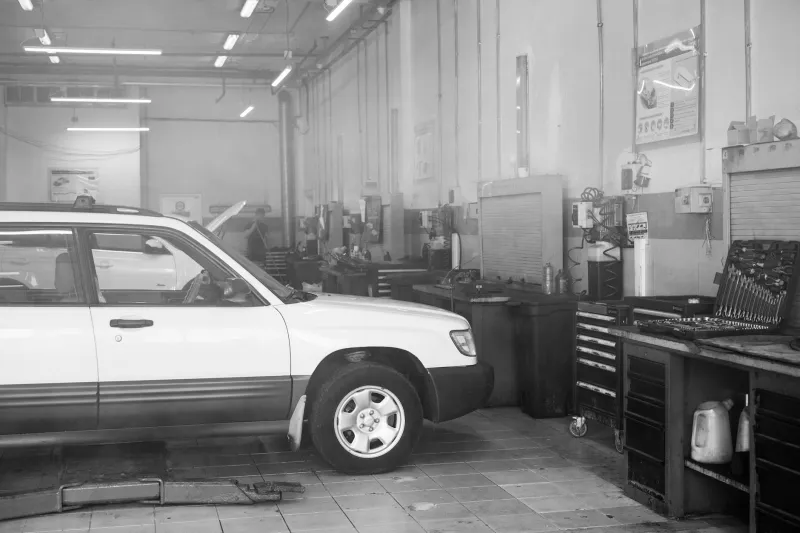
The Great Maintenance Misconception
Walk into any auto parts store on a Saturday morning, and you'll see them: dedicated car owners clutching thick manila folders stuffed with service receipts. They've changed their oil every 3,000 miles, replaced air filters religiously, and documented every repair with the precision of a tax accountant. They're convinced this paper trail is their ticket to top dollar when it's time to sell.
They're mostly wrong.
While the automotive industry and your local mechanic have spent decades promoting the idea that maintenance equals value, the reality of used car pricing tells a very different story. Your pristine service records might make you feel good about your ownership, but they're probably not adding nearly as much to your car's worth as you think.
What Actually Drives Resale Value
The used car market operates on forces that have little to do with how well you treated your vehicle. Market research consistently shows that factors completely outside an owner's control often outweigh maintenance history by significant margins.
Color popularity can swing your car's value by thousands of dollars. That beautiful bright yellow sports car you've babied for five years? It's worth significantly less than an identical model in silver or black, regardless of your maintenance obsession. Dealers know that unusual colors sit on lots longer, and they price accordingly.
Trim level and options matter exponentially more than your service folder. A base model with perfect maintenance records will typically sell for less than a loaded version with questionable care. The leather seats, navigation system, and premium sound package that seemed like expensive luxuries when new become the primary value drivers in the used market.
Regional demand creates pricing disparities that dwarf maintenance considerations. A pickup truck with sketchy service records will command premium prices in rural Texas, while the same vehicle with documented dealer maintenance might struggle to find buyers in urban California.
The Dealer's Dirty Secret
Here's what most car owners don't realize: when dealers evaluate trade-ins, they spend maybe five minutes looking at maintenance records. They're far more interested in market comparables, auction prices, and how quickly similar vehicles move off their lot.
"We see cars with perfect maintenance that we can't sell, and cars with no records that fly out the door," explains one veteran dealer who requested anonymity. "Buyers say they want maintenance records, but they actually buy based on price, appearance, and features."
The harsh truth is that most buyers—whether dealers or private parties—assume basic maintenance was performed regardless of documentation. They're not wrong to think this way: modern cars are incredibly reliable, and catastrophic failures due to poor maintenance are relatively rare.
The Mileage Mirage
Even mileage, the holy grail of used car value, doesn't work the way most people think. A well-maintained car with 80,000 miles often sells for nearly the same price as a neglected version with 75,000 miles. The difference in perceived value between these two vehicles is typically much smaller than owners expect.
This happens because buyers have become sophisticated about distinguishing between highway miles and city miles, understanding that a 100,000-mile car driven mostly on interstates might be in better condition than a 50,000-mile city car that's never seen highway speeds.
When Maintenance Actually Matters
This doesn't mean maintenance is worthless for resale value—it's just not the primary driver most owners believe it to be. Maintenance pays off in specific, limited circumstances:
Luxury vehicles with high repair costs see bigger value premiums for documented service. Buyers of used BMWs and Mercedes genuinely care about maintenance records because they understand the potential repair bills.
Timing belt replacements on interference engines can add real value, but only because buyers fear the catastrophic damage that occurs when these belts fail.
Recent major repairs like transmission rebuilds or engine work can actually increase value, but mainly because they reset the reliability clock for components buyers know will eventually need attention.
The Real Value of Good Maintenance
Here's the twist: while maintenance doesn't dramatically boost resale value, it absolutely affects your ownership experience. Well-maintained cars are more reliable, safer, and more enjoyable to drive. The value is in the years of trouble-free operation, not the extra money you'll get when selling.
Your meticulous maintenance routine is an investment in your daily life, not your future bank account. That's not a failure of the system—it's exactly how it should work.
The Bottom Line
The next time you're debating whether to spring for premium oil or stick with the basic stuff, remember that your decision should be based on how long you plan to keep the car, not what it might add to resale value. Your maintenance records are a testament to your responsibility as an owner, but they're not a golden ticket to higher selling prices.
The used car market rewards popular colors, desirable features, and favorable timing far more than perfect service records. Understanding this reality can help you make smarter decisions about both maintenance spending and when to sell. Sometimes the truth is more liberating than the myth.