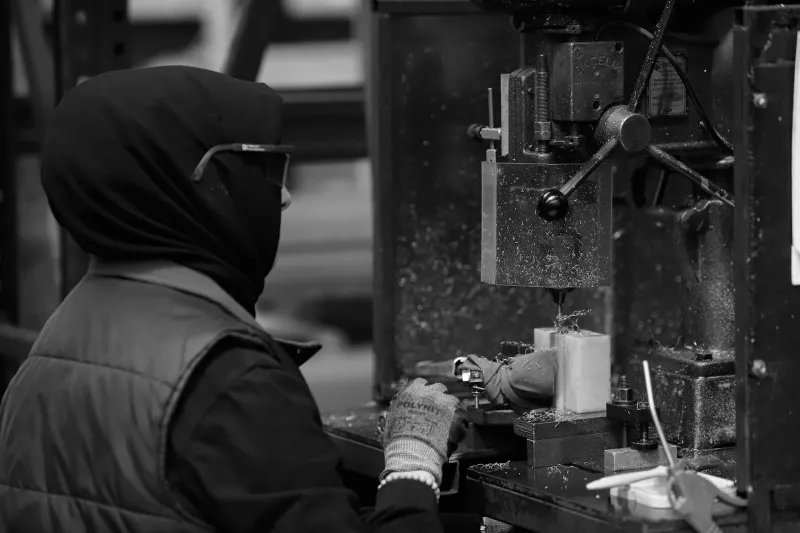
The Badge Doesn't Tell the Manufacturing Story
Walk through any American parking lot and you'll spot them: Ford F-150s, Chevy Silverados, and Dodge Rams proudly displaying their Detroit heritage. Their owners often cite patriotism as a buying factor—supporting American workers and keeping manufacturing jobs at home. It's a noble intention built on a foundation that crumbled decades ago.
The uncomfortable truth? That Toyota Camry parked next to the patriotic pickup might have created more American jobs than the truck with the stars and stripes bumper sticker.
When 'American' Cars Aren't Actually American
Modern automotive manufacturing operates through global supply chains that make brand loyalty meaningless for domestic job creation. Take the 2024 Chevrolet Equinox, assembled in Mexico with an engine built in South Korea. Meanwhile, the Toyota Highlander rolls off assembly lines in Princeton, Indiana, employing thousands of American workers.
 Photo: Princeton, Indiana, via www.cardcow.com
The Honda Pilot, Ridgeline, and Passport are all built in Lincoln, Alabama. The Acura MDX comes from East Liberty, Ohio. These aren't isolated examples—they represent a fundamental shift in how cars reach American driveways.
Ford's best-selling vehicle, the F-150, is indeed assembled in Dearborn, Michigan, and Kansas City, Missouri. But Ford also builds the Fusion in Mexico and sources countless components from overseas suppliers. The brand badge tells you almost nothing about the economic impact of your purchase.
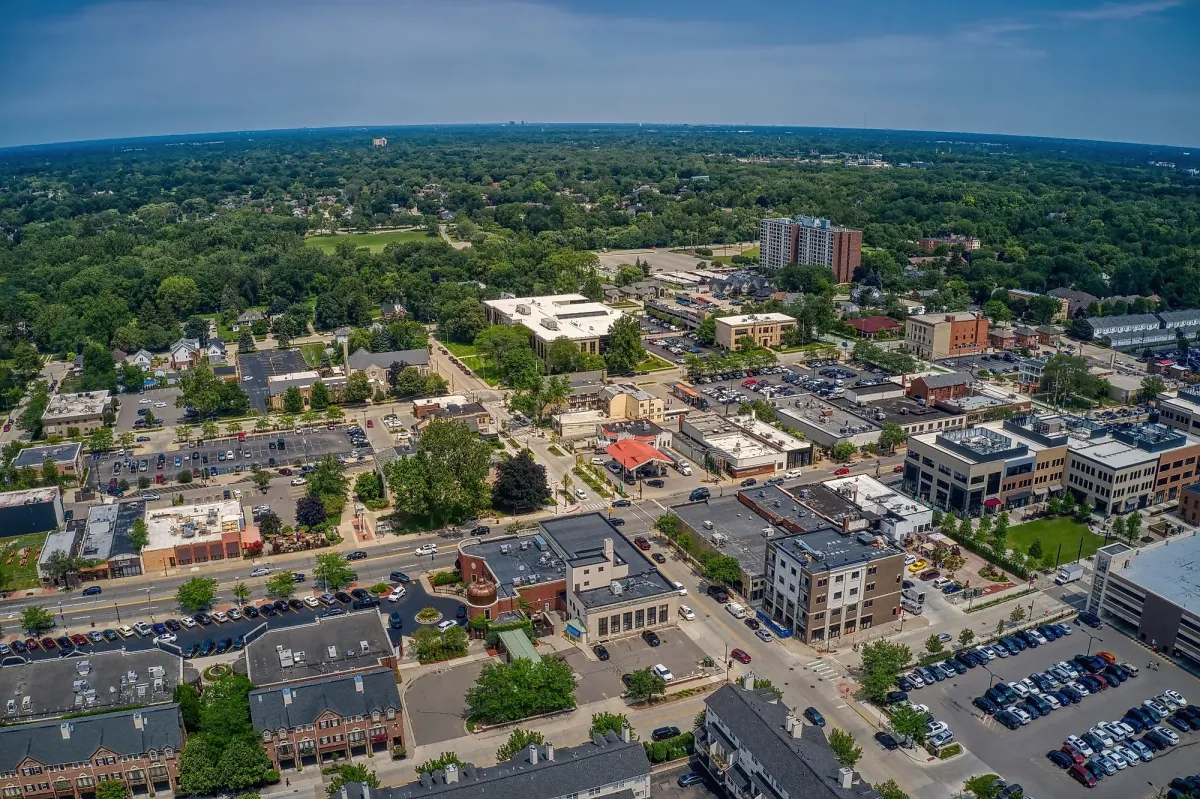 Photo: Dearborn, Michigan, via www.worldatlas.com
The Parts Problem Nobody Talks About
Even when final assembly happens in America, the component sourcing tells a different story. Modern vehicles contain roughly 30,000 individual parts, and tracking their origins reveals how meaningless nationality has become in automotive manufacturing.
General Motors might assemble a vehicle in Michigan, but if the transmission comes from Mexico, the electronics from China, and the seats from Canada, how "American" is that car really? Meanwhile, Honda's Ohio plants source an increasingly large percentage of components from American suppliers, creating ripple effects throughout domestic manufacturing.
The American Automotive Policy Council tracks this data, and their findings consistently surprise patriotic buyers. Some Japanese and Korean brands score higher on American content than traditional Detroit automakers.
Why This Confusion Persists
The "Buy American" automotive mindset formed during an era when geography and brand identity aligned. In the 1960s and 1970s, buying a Ford meant supporting workers in Detroit, Dearborn, and dozens of supplier towns throughout the Midwest. That connection felt real because it was real.
Today's marketing departments understand this emotional connection and exploit it ruthlessly. Super Bowl commercials feature amber waves of grain, factory workers heading home to suburban neighborhoods, and voiceovers about American strength. These advertisements sell feelings, not manufacturing reality.
Detroit automakers also benefit from the sunk cost fallacy. Families who've bought American cars for generations resist information suggesting their loyalty might be misplaced. Admitting that brand preference doesn't support American workers requires confronting decades of purchasing decisions.
The Real Way to Support American Manufacturing
If supporting domestic automotive jobs actually matters to you, ignore the badge and research the specifics. The National Highway Traffic Safety Administration publishes American-made index scores that reveal which vehicles truly support domestic employment.
Look for final assembly location, engine production, transmission manufacturing, and supplier network geography. Some surprising winners emerge from this analysis. The Tesla Model S, despite the company's polarizing reputation, scores remarkably high on domestic content. Several Honda and Toyota models consistently outperform traditional American brands.
The irony cuts deep: buyers who research reliability, fuel economy, and safety features often skip the most basic research when their stated goal is supporting American workers.
Beyond the Factory Floor
The American automotive impact extends beyond assembly line jobs. Research and development centers, design studios, engineering facilities, and corporate headquarters all create high-paying domestic employment. Honda operates major R&D facilities in Ohio. Toyota's North American headquarters employs thousands in Texas.
Meanwhile, some Detroit automakers have moved significant white-collar operations overseas. The brand badge reveals nothing about these strategic decisions that affect American employment at every level.
The Bottom Line
Patriotic car buying based on brand heritage is emotional theater, not economic reality. If supporting American workers drives your vehicle choice, do the homework that most patriotic buyers skip. Research actual manufacturing locations, supplier networks, and domestic content percentages.
Your wallet and your conscience might both point toward that Honda built in Alabama rather than the Chevrolet assembled in Mexico. The most American thing you can do is make decisions based on facts rather than feelings—even when those facts complicate a simple story about supporting the home team.