You're Probably Paying More at the Pump for No Reason — Here's Why
You're Probably Paying More at the Pump for No Reason — Here's Why
Premium gasoline has a branding problem — or more accurately, it has a branding triumph. The word "premium" does a lot of heavy lifting at the gas pump. It implies quality. It suggests that the more expensive option is the better one, the way it does in almost every other consumer context. And because of that, a significant chunk of American drivers fill up with premium fuel in vehicles that have absolutely no use for it.
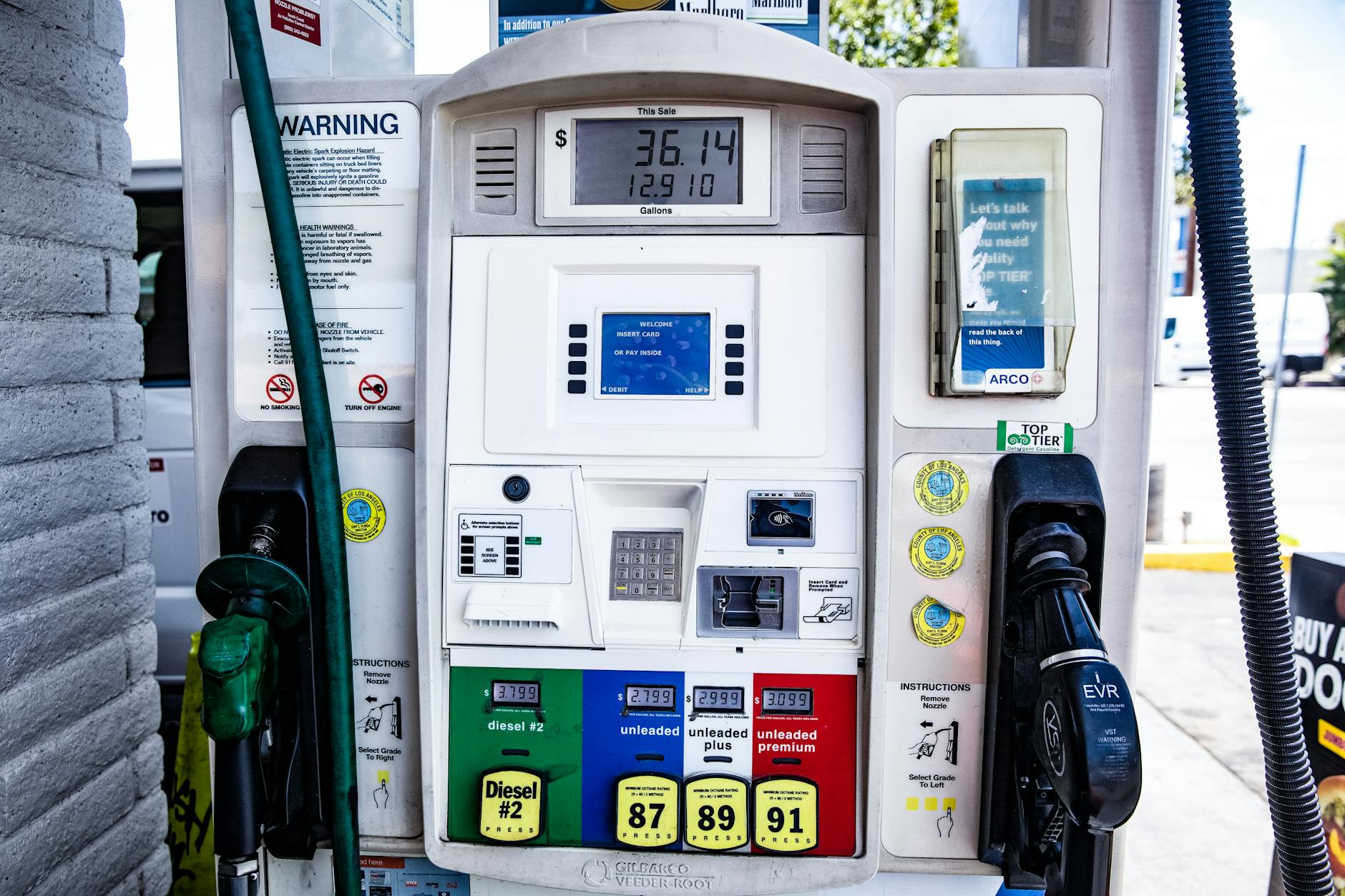
The gap between regular and premium at U.S. pumps typically runs between 50 cents and a dollar per gallon. For a 15-gallon fill-up, that's up to $15 extra, every single time. Multiply that across a year of driving and you're looking at hundreds of dollars spent on a perceived benefit that, for most engines, simply doesn't exist.
What Octane Actually Means
The number on the pump — 87, 89, 91, 93 — is an octane rating. And here's where the popular understanding breaks down completely: octane is not a measure of energy, power, or fuel quality in any conventional sense. It's a measure of resistance to premature ignition.
Inside a combustion engine, the fuel-air mixture is supposed to ignite at a very specific moment — when the spark plug fires. In high-compression engines, the intense pressure and heat inside the cylinder can cause that mixture to ignite before the spark plug does. This is called engine knock, or pre-detonation, and it's genuinely bad for the engine. Higher octane fuel resists that premature ignition, which is why high-compression engines need it.
Regular 87-octane fuel is perfectly stable under the compression levels that most standard engines produce. There's no extra energy in premium gas. There's no magical cleaning agent. It's not "cleaner" or more refined in any way that matters to an average engine. It simply handles pressure better — a feature that's irrelevant if your engine doesn't generate that kind of pressure in the first place.
Which Cars Actually Need It
The distinction that matters is between vehicles where premium fuel is required and those where it's merely recommended — and then there's the much larger group where the owner's manual says nothing about it at all.
Required: High-performance and luxury vehicles with turbocharged or high-compression engines genuinely need premium. Think sports cars, certain luxury sedans, and performance-oriented trims of otherwise ordinary models. Using regular in these engines over time can cause knock damage, reduced performance, and long-term wear. The manual will say "premium fuel required" — and it means it.
Recommended: Some vehicles are engineered to run on regular but are optimized for premium. In these cases, the engine's computer will adjust timing and compression to take advantage of higher-octane fuel. You might see a small bump in horsepower or fuel efficiency. But "recommended" is not "required" — regular fuel won't damage anything, it just won't squeeze out maximum performance.
Everyone else: The vast majority of cars on American roads — standard sedans, minivans, crossovers, most trucks — are tuned for 87 octane. Putting premium in a 2019 Honda CR-V or a Chevy Equinox does nothing. The engine's computer isn't set up to take advantage of higher octane, so the extra money you spent is literally burned away with no benefit whatsoever.
The answer to what your car needs is in your owner's manual, and it takes about 30 seconds to look up. It's also printed on a sticker inside the fuel door on most vehicles.
How the Misconception Got So Entrenched
A few forces conspired to make this myth so sticky.
First, the naming convention itself. "Premium" and "regular" are loaded words. In everyday life, paying more for premium almost always gets you something better. Gas stations didn't invent this framing by accident.
Second, the performance-car association. Premium fuel is genuinely necessary for high-end vehicles, and those vehicles are aspirational. The connection between premium gas and powerful, high-performance engines got absorbed into the general cultural understanding — but without the crucial asterisk that it only applies to specific engines.
Third, older advice that outlived its context. Decades ago, engine technology was less sophisticated, and knocking was a more common problem across a wider range of vehicles. The advice to "use good gas" made more sense then. Modern engine management systems are remarkably good at adapting to fuel quality, and most cars built in the last 20 years simply don't have the compression ratios that require premium.
The Simple Takeaway
Open your glove compartment. Find the owner's manual. Look up the fuel requirements for your specific vehicle. If it says regular, use regular — every single time, without guilt. If it says premium required, don't cut corners. If it says premium recommended, you can make an informed call based on whether you're chasing peak performance or just getting to work.
The pump is not trying to help you make that decision. The label is doing marketing work, not engineering work. And knowing the difference is worth real money.