Paying More at the Pump Doesn't Mean Getting More from Your Engine
Paying More at the Pump Doesn't Mean Getting More from Your Engine
Stand at a gas station pump long enough and you'll notice the quiet social dynamics of fuel selection. Someone pulls up in a well-maintained sedan, glances at the three grade options, and reaches for the premium nozzle with the confidence of someone who clearly takes care of their car. It's a small act, but it carries a message: I do things right.
The problem is that for the majority of vehicles on American roads, that choice is spending money to feel good rather than spending money to do good. Premium gasoline is not universally better fuel. It's specifically different fuel — and that difference only matters to specific engines.
What Octane Actually Means
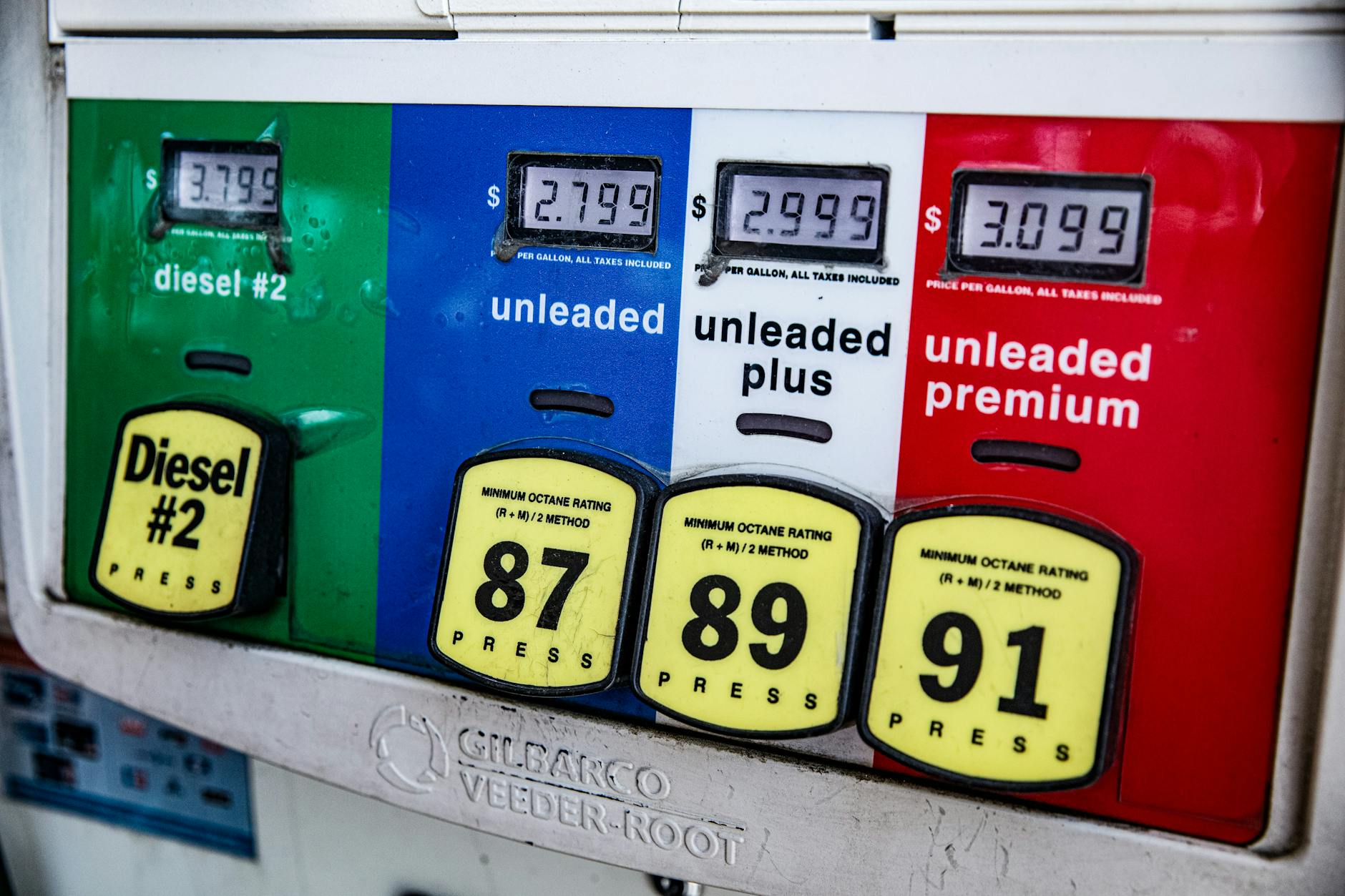
The number on the pump — 87, 89, 91, 93 — is an octane rating. And despite the way it gets talked about, octane is not a measure of fuel quality, energy content, or cleanliness. It's a measure of a fuel's resistance to something called pre-ignition, or more commonly, engine knock.
Here's the simple version of what's happening inside your engine: fuel and air compress inside the cylinder, and then a spark plug ignites that mixture at precisely the right moment. In high-compression engines, that mixture can ignite before the spark plug fires — triggered by the heat of compression alone. That premature ignition is knock, and it creates a pressure wave that fights against the piston rather than pushing it. Repeated knock causes real engine damage over time.
Higher octane fuel resists that premature ignition. It's chemically more stable under pressure and heat. So in an engine with high compression ratios — the kind found in turbocharged and high-performance engines — premium fuel does exactly what it promises. In a standard engine with lower compression? There's no knock to prevent. The extra stability isn't doing anything useful.
The Engines That Actually Need It
Automakers design engines around specific fuel requirements, and they're quite direct about it in the owner's manual. There are two key phrases to understand:
"Premium required" means the engine was engineered specifically around high-octane fuel. The compression ratios and timing are calibrated for it. Consistently using regular in these engines over time can cause knock, reduced performance, and potential damage. This language typically appears in vehicles with performance-oriented turbocharged engines, luxury cars, and some high-output V8s.
"Premium recommended" is a softer statement. It means the engine will perform optimally on premium and may produce slightly less power or efficiency on regular, but it won't be damaged. Modern engine management systems are sophisticated enough to detect knock and automatically adjust ignition timing to compensate — effectively tuning the engine down to suit the lower-octane fuel.
For the vast majority of everyday vehicles — commuter sedans, minivans, crossovers, standard pickup trucks — the owner's manual simply says regular unleaded is the specified fuel. Full stop. No asterisk, no recommendation, no suggestion that premium would help. That's not a cost-cutting disclaimer. That's the engineers telling you exactly what the engine was built for.
Where the Premium Myth Came From
The belief that premium gas is categorically better fuel didn't appear out of nowhere. It was cultivated, quite deliberately, through decades of marketing.
Oil companies have long understood that "premium" is a powerful word. In American consumer culture, premium implies quality, care, and superiority. Gas station signage, advertising campaigns, and the visual design of the pump itself all reinforce a hierarchy: regular is the base option, premium is the upgrade. The framing nudges drivers toward a straightforward conclusion — better fuel, better car.
There was also a period in automotive history, particularly through the 1960s and early 1970s, when high-compression V8 engines were common in everyday American cars and genuinely did require higher-octane leaded fuel. Drivers who grew up in that era, or whose parents did, absorbed the idea that premium was the responsible choice. That assumption got passed down even as engine technology moved on.
Additionally, premium fuel does contain a slightly different additive package in some formulations, which led some drivers to believe it was cleaning their engine more effectively. The difference in detergent additives between grades is minimal, and all fuel sold in the US is required to meet minimum detergency standards anyway.
The Real Cost of the Habit
Premium gasoline typically costs between 50 cents and a dollar more per gallon than regular, depending on the region and market conditions. For a driver filling a 15-gallon tank once a week, that's somewhere between $390 and $780 extra per year — for fuel their engine wasn't designed to use differently.
Multiply that across the millions of American drivers who choose premium out of habit rather than necessity, and the numbers become genuinely significant. It's a comfortable habit that costs real money without delivering a real benefit.
The One Thing Worth Doing
Open your glove compartment. Pull out the owner's manual. Look up the fuel requirement for your specific vehicle. If it says regular, use regular — not as a compromise, but because that's what the engineers who built your engine specified. If it says premium required, take that seriously and don't skimp.
The answer was always right there in the manual. It just wasn't as interesting a story as the one the gas station wanted to tell you.