When Perfect Scores Hide Imperfect Economics
Reliability rankings dominate car-buying conversations. J.D. Power studies, Consumer Reports surveys, and manufacturer quality awards all promise to identify vehicles that won't leave you stranded. These surveys measure frequency of problems but ignore a crucial question: when something finally breaks, what does it cost to fix?
The answer reveals why some of the most "reliable" cars on American roads also generate the highest repair bills in the industry.
The German Engineering Paradox
BMW, Mercedes-Benz, and Audi consistently rank among the most reliable luxury brands in short-term studies. Their vehicles rarely break down during the first few years of ownership. Sophisticated engineering, premium materials, and extensive testing create cars that perform flawlessly—until they don't.
When a BMW 7 Series finally needs repairs, the bills can exceed $3,000-5,000 for relatively minor issues. A faulty air suspension system might cost $4,000 to repair. Electronic parking brake problems can require $2,500 in parts and labor. These aren't catastrophic failures—they're routine maintenance items that German engineers over-complicated.
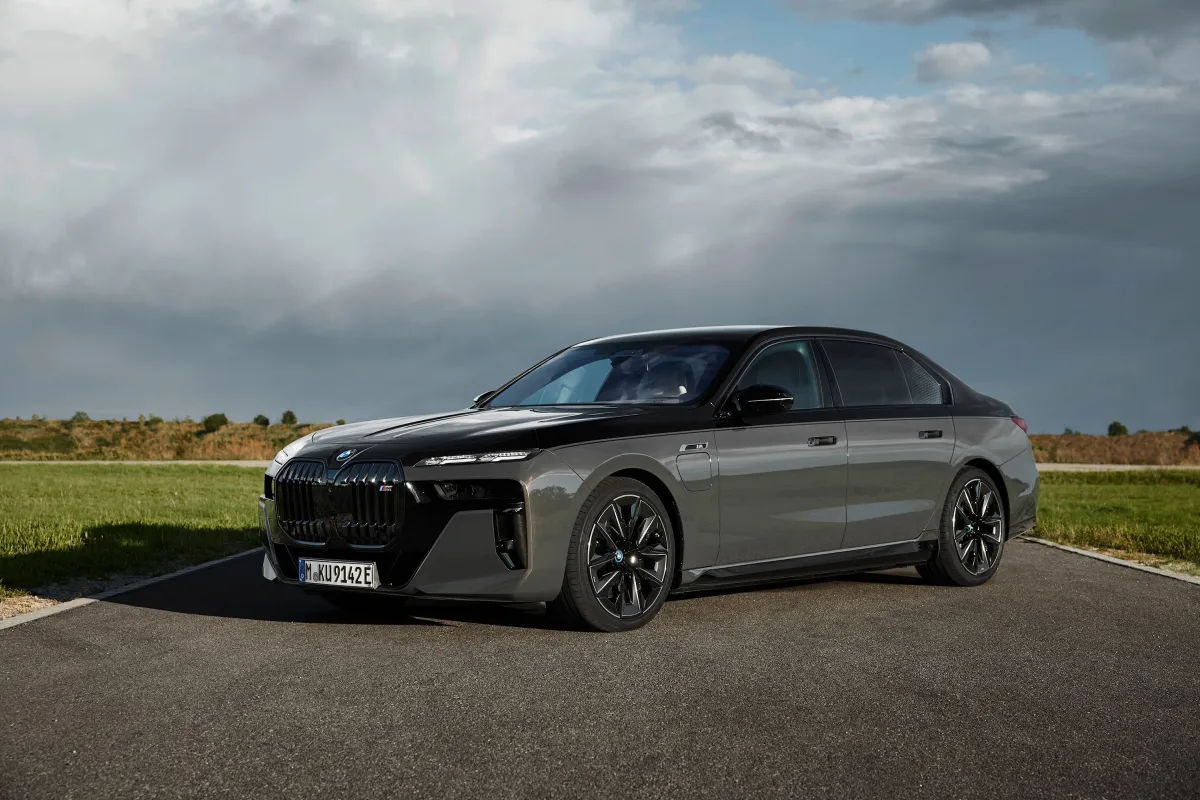 Photo: BMW 7 Series, via static0.carbuzzimages.com
The irony cuts deep: the same engineering sophistication that prevents frequent problems also ensures that eventual repairs cost exponentially more than simpler alternatives.
Tesla's Reliability Illusion
Tesla vehicles score well in reliability surveys because they have fewer moving parts than traditional cars. No oil changes, transmission repairs, or exhaust system maintenance. Electric drivetrains are inherently more reliable than internal combustion engines. This creates impressive reliability statistics that mask a different problem entirely.
When Tesla repairs are needed, they're often impossible to complete outside the manufacturer's service network. Body panels damaged in minor accidents can take months to source. Battery pack issues might require complete replacement at costs exceeding $15,000. Software problems sometimes require hardware changes that would be simple updates in other vehicles.
Tesla's reliability comes from simplicity, but their repair costs stem from complexity and control.
The Lexus Exception That Proves the Rule
Lexus built their reputation on reliability that doesn't destroy budgets when things go wrong. Their vehicles consistently rank at the top of reliability surveys while maintaining reasonable repair costs. This combination didn't happen by accident—it represents deliberate engineering philosophy.
Lexus vehicles share many components with Toyota models, creating parts availability and pricing advantages. Their dealership network includes independent mechanics trained on Toyota/Lexus systems. When a Lexus needs repairs, owners have options beyond the dealership.
This approach proves that reliability and affordability can coexist, making other manufacturers' expensive repair requirements seem even more unreasonable.
The Porsche Surprise
Porsche vehicles often surprise buyers with their reliability rankings. Sports cars that seem exotic and fragile actually break down less frequently than many mainstream vehicles. The 911 has legendary durability that spans decades of ownership.
But Porsche repair costs reflect their performance pedigree. Brake pad replacement might cost $800-1,200. Clutch replacement can exceed $4,000. These aren't reliability failures—they're normal wear items priced for people who can afford $100,000 sports cars.
Porsche buyers typically understand this equation. They're paying for performance and exclusivity, accepting higher maintenance costs as part of the ownership experience. The problem arises when reliability surveys suggest these vehicles offer practical transportation solutions.
Why Survey Methodology Misses the Point
Reliability surveys typically measure problems per 100 vehicles during the first 90 days or three years of ownership. They count frequency of issues but ignore severity or cost implications. A squeaky door handle counts the same as a transmission failure in these calculations.
This methodology favors vehicles that experience minor, expensive problems over cars with major, affordable problems. A Honda Civic with a $200 transmission sensor failure scores worse than a Mercedes with a $3,000 air suspension leak, even though the Honda owner faces a minor inconvenience while the Mercedes owner confronts a major expense.
The Independent Mechanic Test
One reliable indicator of long-term affordability: can independent mechanics service your vehicle? Cars designed for dealership-only repairs typically cost more to maintain throughout their lifetime.
Volkswagen vehicles require specialized diagnostic equipment that most independent shops don't own. Land Rover repairs often need proprietary tools and software. These requirements protect manufacturer service revenue but increase owner costs.
Conversely, vehicles that independent mechanics can service—most Honda, Toyota, Ford, and Chevrolet models—offer more competitive repair pricing throughout their lifetime.
The Parts Availability Reality
Reliable cars become expensive when common parts are uncommon or proprietary. A Toyota Camry's alternator costs $150-300 and is available from dozens of suppliers. A comparable part for a Jaguar might cost $800-1,200 and require ordering from limited sources.
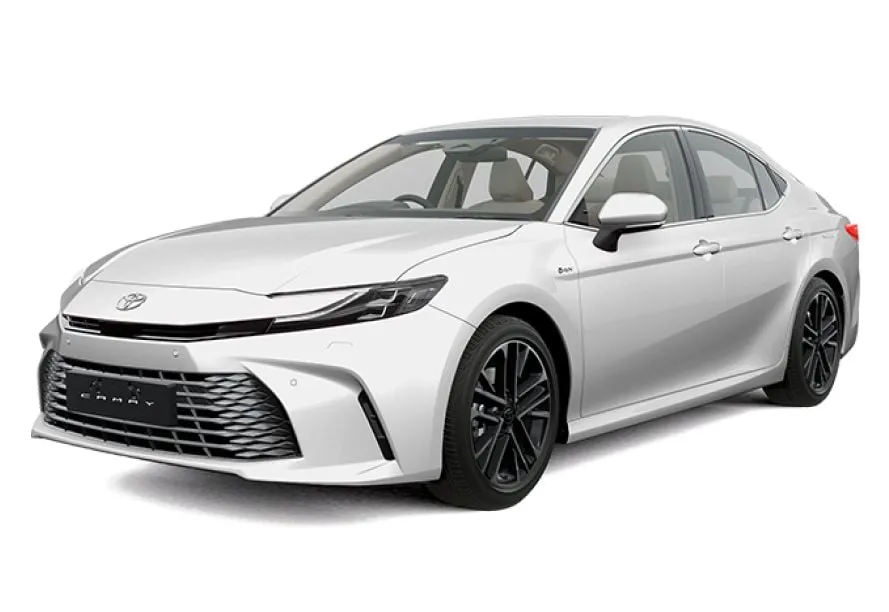 Photo: Toyota Camry, via www.dubicars.com
This difference compounds over time. The Camry owner enjoys competitive pricing and quick repairs. The Jaguar owner faces higher costs and longer wait times for routine maintenance.
Making Smarter Reliability Decisions
True reliability includes both frequency of problems and cost of solutions. Before choosing a vehicle based on reliability rankings, research typical repair costs for common maintenance items:
- Brake pad replacement
- Battery replacement (for hybrids and electrics)
- Air conditioning repairs
- Suspension components
- Electronic system diagnostics
Vehicles with low problem frequency but high repair costs might not offer the practical reliability most buyers actually need.
The Bottom Line
Reliability without affordability is luxury, not practicality. The most reliable car is worthless if you can't afford to fix it when something eventually goes wrong. Smart buyers look beyond reliability rankings toward total cost of ownership, including the inevitable repairs that even the most reliable vehicles eventually require.
The goal isn't finding a car that never breaks—it's finding one that won't break your budget when it finally needs attention.