The Great Trade-In Timing Myth
Ask any car owner when they should trade in their vehicle, and you'll hear the same conventional wisdom repeated like gospel: "Trade it in before the big repairs hit." This advice sounds so logical that questioning it feels almost heretical. After all, who wants to get stuck with a $3,000 transmission repair when you could have avoided it entirely?
But here's the uncomfortable truth that the automotive industry doesn't want you to discover: this widely accepted timing strategy is exactly backwards. The moment most people choose to trade their car is precisely when keeping it would save them the most money.
The 100,000-Mile Panic
American car culture has developed an almost pathological fear of high-mileage vehicles. Somewhere around 80,000-100,000 miles, perfectly rational people begin plotting their escape from cars that often have years of reliable service remaining.
This timing couldn't be worse from a financial perspective. Modern vehicles routinely deliver 200,000+ miles of service, yet most owners bail out just as they're about to enter the most cost-effective phase of ownership. It's like selling a rental property the day before the mortgage gets paid off.
Consider the typical depreciation curve: a new car loses roughly 60% of its value in the first five years, then the depreciation rate slows dramatically. By year six or seven, when many owners start getting nervous about "reliability," the vehicle is entering its sweet spot for cost-per-mile transportation.
The Dealer's Dream Customer
Car dealers absolutely love customers who trade in vehicles right around the 80,000-100,000 mile mark. These cars represent pure profit — they're typically well-maintained, have plenty of life remaining, but carry enough perceived risk that the original owner is motivated to accept a below-market trade value.
A 2018 Toyota Camry with 95,000 miles might trade for $14,000 at a dealership, then sell on their used lot for $19,000 within weeks. The dealer pockets a $5,000 margin on a transaction that the original owner initiated to "avoid expensive repairs."
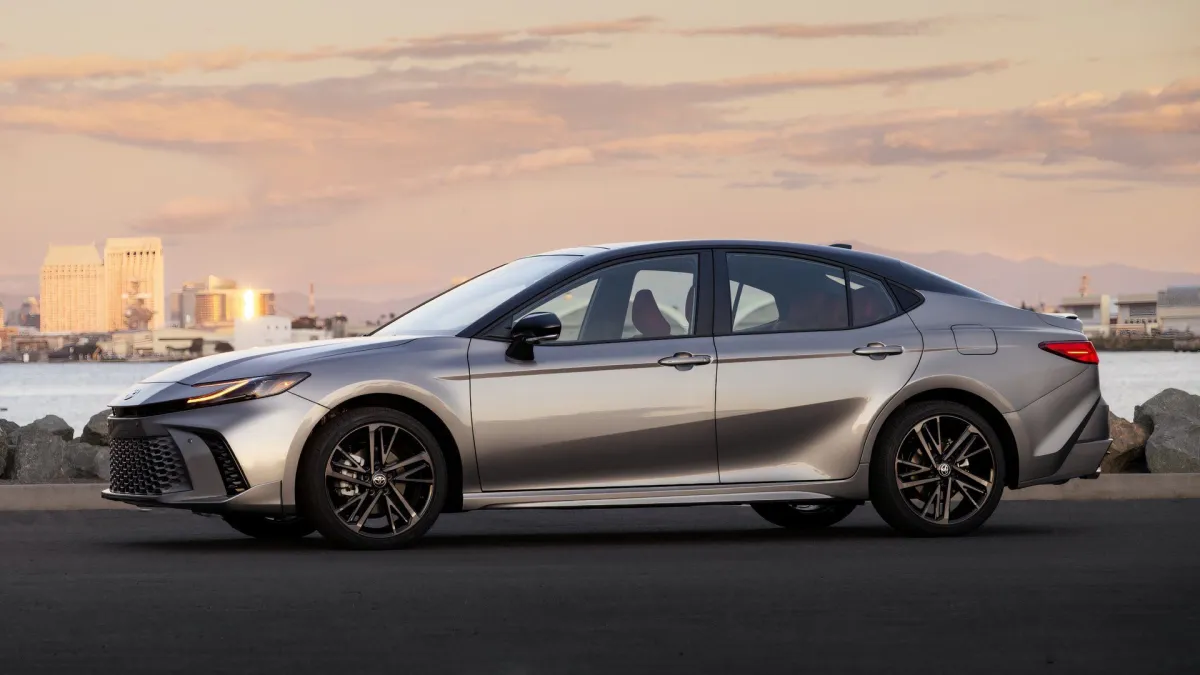 Photo: Toyota Camry, via static1.topspeedimages.com
Meanwhile, that same owner likely financed a $35,000 replacement vehicle, taking on years of payments to escape maintenance costs that might never have materialized.
The Repair Cost Calculation Nobody Does
Here's the math that exposes the flaw in conventional trade-in timing: even major repairs are almost always cheaper than car payments.
Let's say your 8-year-old vehicle needs $2,500 in repairs annually — a pessimistic estimate that includes some significant component failures. Compare that to the cost of a replacement vehicle:
- New car payment: $450/month ($5,400/year)
- Higher insurance on newer vehicle: $600/year
- Higher registration fees: $200/year
- Total annual cost: $6,200
Even with $2,500 in annual repairs, you're still $3,700 ahead by keeping the older vehicle. And here's the kicker: most vehicles don't actually require $2,500 in annual repairs. The AAA estimates average annual maintenance and repair costs for vehicles 5+ years old at around $1,200.
The Reliability Myth
Modern vehicle reliability has improved dramatically, but consumer perceptions haven't caught up. A well-maintained 2015 Honda Accord with 120,000 miles is likely more reliable than many vehicles from the 1990s with half that mileage.
Yet cultural memories of unreliable cars from previous decades continue to drive trading decisions. People trade perfectly good vehicles because they remember when 100,000 miles meant impending doom, not realizing that automotive engineering has fundamentally changed.
J.D. Power reliability data shows that properly maintained vehicles from major manufacturers routinely deliver dependable service well past 150,000 miles. The "reliability cliff" that drivers fear often exists more in perception than reality.
The Timing That Actually Makes Sense
So when should you actually trade your vehicle? The honest answer is almost never based on mileage or age alone. Instead, consider these factors:
Safety Evolution: If your vehicle lacks modern safety features like automatic emergency braking, blind spot monitoring, or electronic stability control, upgrading makes sense for protection, not just convenience.
Life Changes: Growing families, changing commute patterns, or new hobbies might genuinely require different transportation. These are valid reasons to trade.
Total Cost Crossover: When annual maintenance and repairs consistently exceed what you'd pay for a reliable replacement, it's time to move on. But this rarely happens before 150,000-200,000 miles on modern vehicles.
Catastrophic Failure: When repair costs approach or exceed the vehicle's value, trading makes financial sense. But this scenario is much rarer than people expect.
The Sweet Spot Most People Miss
The optimal ownership period for most vehicles extends far beyond what conventional wisdom suggests. Years 6-12 of ownership often represent the most cost-effective transportation you'll ever experience.
During this period, depreciation has slowed to a crawl, you've likely paid off any financing, and the vehicle still offers years of reliable service. This is when you should be maximizing your transportation value, not planning your escape.
The Cultural Pressure to Upgrade
American car culture equates vehicle age with personal success, creating psychological pressure to trade up regardless of financial logic. Social media amplifies this pressure — nobody posts photos of their sensible 10-year-old sedan, but new car purchases generate likes and comments.
This cultural bias toward newer vehicles costs the average American household thousands of dollars annually in unnecessary transportation expenses. Breaking free from this mindset is one of the most effective ways to improve your financial position.
The Real Trade-In Strategy
Instead of trading based on arbitrary mileage milestones or age thresholds, develop a maintenance-first mindset. Keep detailed records of repairs and maintenance costs. When these expenses consistently exceed reasonable thresholds for several consecutive years, then consider replacement.
For most vehicles, this point arrives much later than conventional wisdom suggests — often after 12-15 years or 180,000+ miles of service.
Breaking the Cycle
The next time your vehicle approaches 100,000 miles and well-meaning friends suggest it's "time to trade," remember that you're likely entering the most financially advantageous phase of ownership.
That slightly higher maintenance cost? It's still a fraction of what you'd pay for a replacement. Those occasional repairs? They're investments in continued low-cost transportation, not signs of impending disaster.
The real timing disaster isn't keeping a car too long — it's trading it in just when the financial benefits of ownership are about to peak.