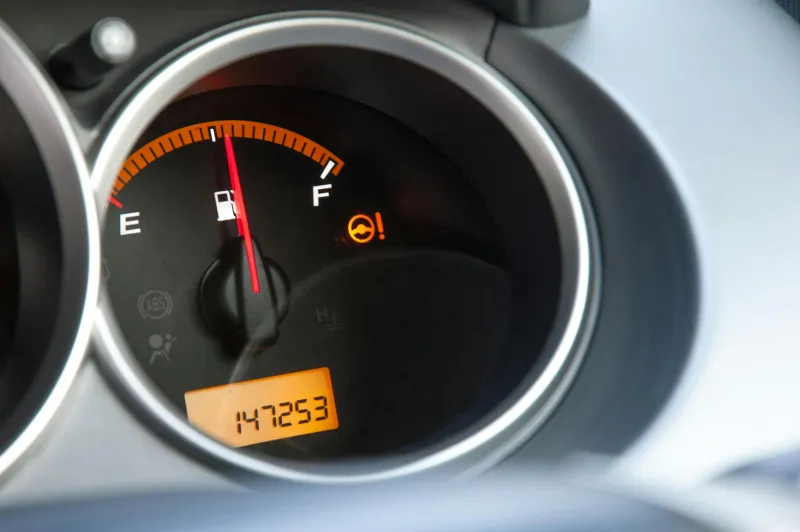
The Patient Buyer's Expensive Mistake
Every car forum, finance blog, and well-meaning relative will tell you the same thing: wait for the right moment to buy a car. Hold out for the holiday sales. Wait for the new model year to drop prices on last year's inventory. Delay until the economy softens and dealers get desperate.
It sounds like smart financial advice. After all, patience is a virtue, right? But here's what nobody talks about: while you're waiting for that mythical perfect deal, you're hemorrhaging money in ways that make any eventual discount look like pocket change.
The Real Cost of Your Current Car
Let's start with the elephant in the garage: your current vehicle. That 2015 sedan you're nursing along while waiting for car prices to drop? It's costing you far more than you realize.
Consider Sarah, a marketing manager from Phoenix who decided to wait out high car prices in 2022. Her 10-year-old Honda Civic needed $800 in brake work, then $1,200 for a timing belt, followed by a $600 AC compressor replacement. Over 18 months of "smart waiting," she spent $2,600 on repairs.
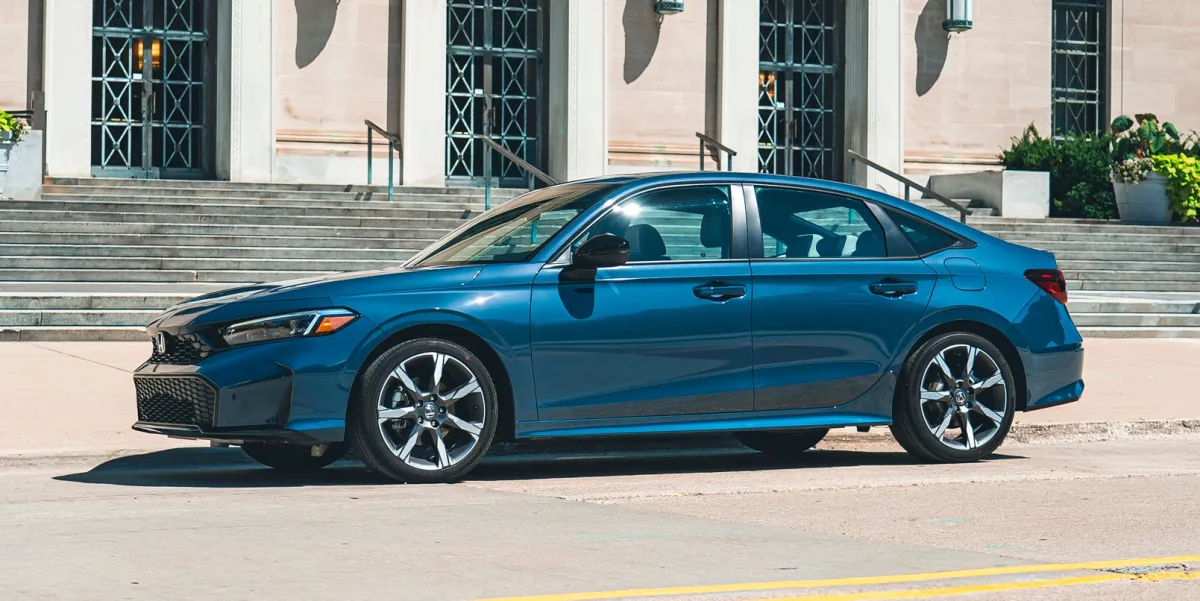 Photo: Honda Civic, via hips.hearstapps.com
Meanwhile, her daily 40-mile commute in an aging car with declining fuel efficiency cost her an extra $300 annually compared to a newer, more efficient vehicle. Add the three days of missed work when her car broke down unexpectedly, and her patience cost roughly $3,200 — enough to cover most of the price difference between a good deal and a great one.
The Depreciation Clock Never Stops
Here's the math that waiting-game advocates conveniently ignore: depreciation doesn't pause while you hunt for savings. Your current car loses value every single month, regardless of whether you're actively shopping for a replacement.
A typical 8-year-old vehicle depreciates about 10-15% annually. If your current car is worth $12,000 today, it'll be worth roughly $10,500 in a year. That $1,500 loss happens whether you drive it or park it, whether the market is hot or cold.
Now, let's say you wait a full year and manage to negotiate $800 off your next car purchase. Congratulations — you've saved $800 while losing $1,500, plus whatever you spent on maintenance and repairs. The net result? You're behind by hundreds of dollars, not ahead.
When 'Sales' Aren't Actually Sales
The automotive industry has mastered the art of making normal pricing feel like exceptional deals. Those "Presidents Day Blowout" events? They're often just regular incentives repackaged with urgent marketing language.
Manufacturer incentives follow predictable patterns that have little to do with calendar holidays. Automakers offer rebates when inventory builds up, when a model year is ending, or when they need to boost quarterly sales numbers. These genuine deals happen throughout the year, not just during heavily advertised sale weekends.
Meanwhile, the "deals" you're waiting for might never materialize. The $2,000 cashback offer available today could disappear next month, replaced by a $1,000 offer that feels disappointing after months of anticipation.
The Opportunity Cost Nobody Calculates
While you're playing the waiting game, you're missing out on the benefits of driving a newer, more reliable vehicle. Better fuel economy, lower maintenance costs, improved safety features, and the peace of mind that comes with warranty coverage.
Consider the hidden value of not worrying about whether your car will start on a cold morning, or not having to keep $1,000 in your emergency fund earmarked for potential car repairs. These intangible benefits have real financial value that patient buyers rarely factor into their calculations.
The Market Timing Myth
Car prices, like most markets, are influenced by factors beyond individual control: supply chain disruptions, interest rates, fuel costs, and economic conditions. Trying to time these variables is like trying to time the stock market — even experts get it wrong more often than they'd like to admit.
The "best" time to buy a car is typically when you need one, assuming you've done basic research on pricing and incentives. A decent deal today almost always beats a theoretically perfect deal that may never come.
The Smart Approach to Car Buying
Instead of waiting for perfect timing, focus on factors you can control. Research current incentives, get quotes from multiple dealers, and understand the true cost of ownership for vehicles you're considering. If you find a fair deal on a car that meets your needs, the financial advantage of buying now usually outweighs the potential savings from continued waiting.
The car market rewards informed buyers, not patient ones. Your time and money are better spent researching your purchase than trying to predict market movements.
The Bottom Line
The next time someone suggests you wait for a better deal on a car, ask them to calculate the true cost of waiting: ongoing depreciation, maintenance expenses, opportunity costs, and the risk that "better deals" never actually appear.
More often than not, you'll discover that the money you save by buying a reasonable car today exceeds any theoretical savings from playing the waiting game. Sometimes the best deal is simply the one that gets you out of an expensive cycle of hoping for something better.