That Cold Morning Ritual of Letting Your Car Warm Up? It's Based on Technology That Doesn't Exist Anymore
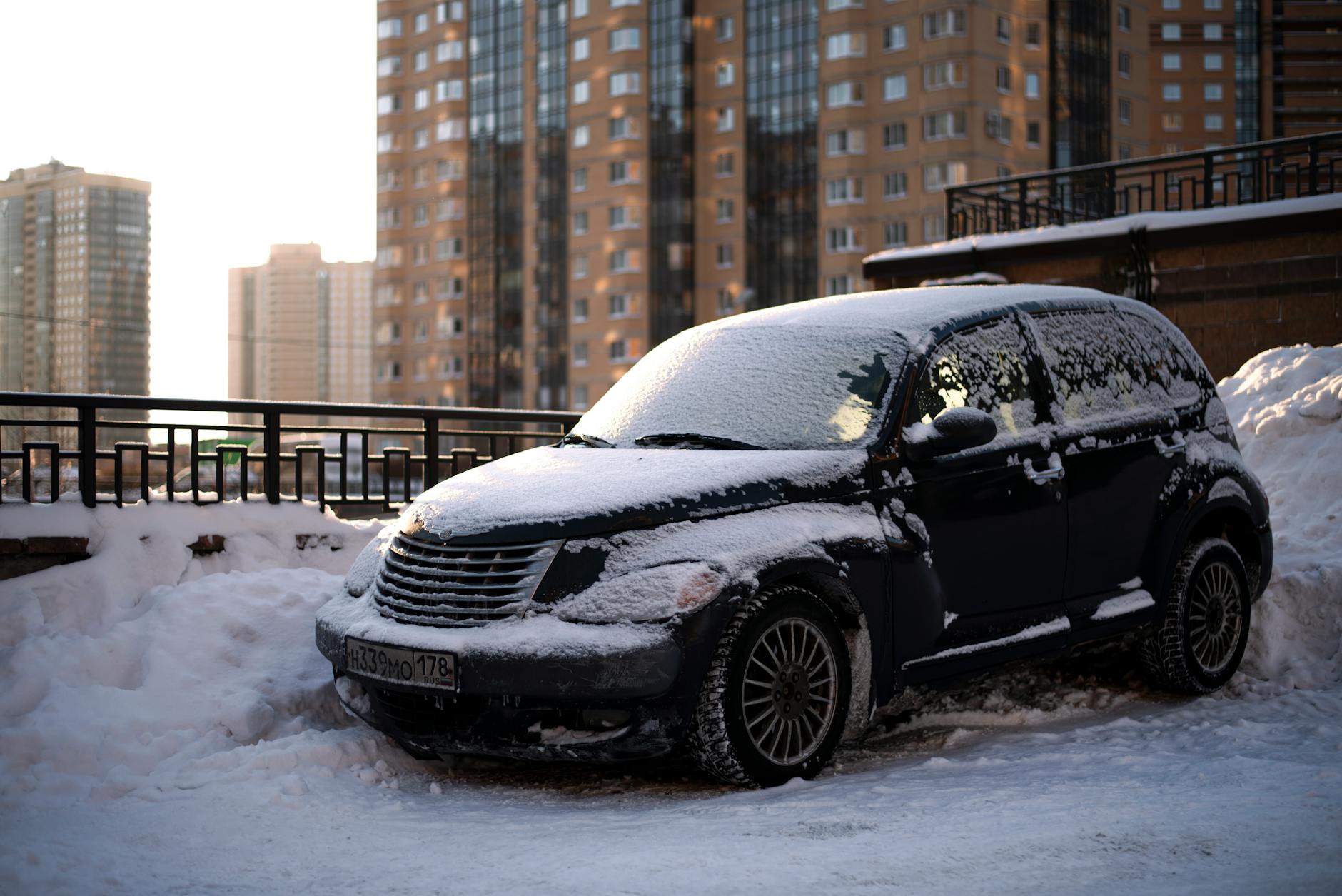
That Cold Morning Ritual of Letting Your Car Warm Up? It's Based on Technology That Doesn't Exist Anymore
There's something that feels undeniably virtuous about warming up your car on a cold morning. You start it up, head back inside to finish your coffee, and imagine the engine quietly preparing itself for the day ahead — oil loosening up, metal expanding to its proper tolerances, everything getting ready. It's a ritual passed down from parents and grandparents, the kind of practical wisdom that feels too sensible to question.
Here's the uncomfortable truth: for the overwhelming majority of vehicles on the road today, that warm-up idle is doing almost nothing useful — and it's actively doing a few things that aren't great.
Where the Habit Came From
The long idle warm-up wasn't always pointless. It was genuinely necessary for engines built before the mid-1980s that used a device called a carburetor to mix fuel and air before combustion.
Carbureted engines were sensitive to temperature. In cold weather, they needed a choke mechanism to run a richer fuel mixture until things warmed up, and idling the engine gave that system time to stabilize. Drive a cold carbureted engine too aggressively and it would stumble, stall, or run poorly. The advice to let it warm up first was practical, earned wisdom for that specific technology.
But carburetors are gone. They've been gone for a long time. By the late 1980s, electronic fuel injection had become the standard across virtually the entire automotive industry, and it changed the equation entirely. If your car was made after roughly 1990 — and if you're driving it today, it almost certainly was — it has a fuel injection system that electronically manages the fuel-air mixture in real time, adjusting automatically to temperature and conditions from the moment you turn the key.
The old reason for the long idle warm-up simply doesn't apply anymore.
What Cold Weather Actually Does to a Modern Engine
Cold temperatures do affect your engine, just not in the way most people assume.
The main concern is engine oil. Oil thickens when it's cold, and thicker oil takes a moment to fully circulate through all the passages and moving parts it needs to lubricate. During those first seconds after a cold start, there's a brief window where lubrication isn't quite at full effectiveness. This is real, and it's the legitimate reason you shouldn't immediately floor it out of a cold driveway.
But here's the key detail that changes everything: your engine reaches operating temperature significantly faster under light driving load than it does sitting at idle. The combustion process generates heat, and when the engine is working — even gently — it produces more of it. An engine idling in your driveway on a 20-degree morning can take 10 to 15 minutes to reach normal operating temperature. That same engine, driven gently down the street, can get there in under five minutes.
Modern engines are also equipped with coolant temperature sensors, thermostats, and engine management computers that are actively working to bring everything up to temperature as efficiently as possible. They don't need you to stand aside and let them idle — they need the combustion process to generate heat, and gentle driving does that far more effectively.
The Downsides Nobody Talks About
Beyond being ineffective, extended cold-weather idling has a few genuine downsides worth knowing.
Fuel wash. When a cold engine idles for an extended period, it runs a slightly richer fuel mixture. Some of that excess fuel can make its way past the piston rings and into the engine oil, diluting it and reducing its lubricating effectiveness. This is a minor concern with occasional idling but becomes more significant as a daily habit.
Wasted fuel and emissions. An idling engine is burning gas and producing emissions while going nowhere. In states with anti-idling regulations — and there are quite a few — extended warm-up idling in certain areas can even be technically illegal.
Catalytic converter efficiency. Your car's emissions control system works best at operating temperature. Prolonged cold idling keeps the catalytic converter below its optimal range longer than necessary.
Why the Habit Is So Hard to Kill
Old habits rooted in real logic are the hardest to shake, especially when they feel logical. Warming something up before you use it makes intuitive sense — you warm up before a workout, you let an oven preheat, you let coffee cool to a drinkable temperature. The brain files "warm up the car" in the same general category.
There's also the comfort factor. Sitting in a pre-warmed car on a bitter February morning in Chicago or Minneapolis is genuinely pleasant, and it's easy to retroactively frame that comfort as mechanical necessity.
And honestly, the automotive industry never mounted much of a public campaign to correct the misunderstanding. Fuel injection replaced carburetors gradually, model by model, without a lot of fanfare. The engineering changed; the cultural knowledge didn't catch up.
What to Do Instead
The actual best practice for a modern fuel-injected engine in cold weather is straightforward:
- Start the car and wait 30 to 60 seconds — enough time for oil pressure to build and initial circulation to occur.
- Drive away, but keep it gentle for the first few minutes. Light acceleration, easy speeds, no hard revving until the temperature gauge starts climbing.
- Let the engine warm up by driving it, not by sitting still.
That's it. Your engine will reach operating temperature faster, wear less, and burn less fuel in the process. The five or ten minutes you used to spend idling in the driveway? You can spend them somewhere warmer.