The Showroom Ghost Town Advantage
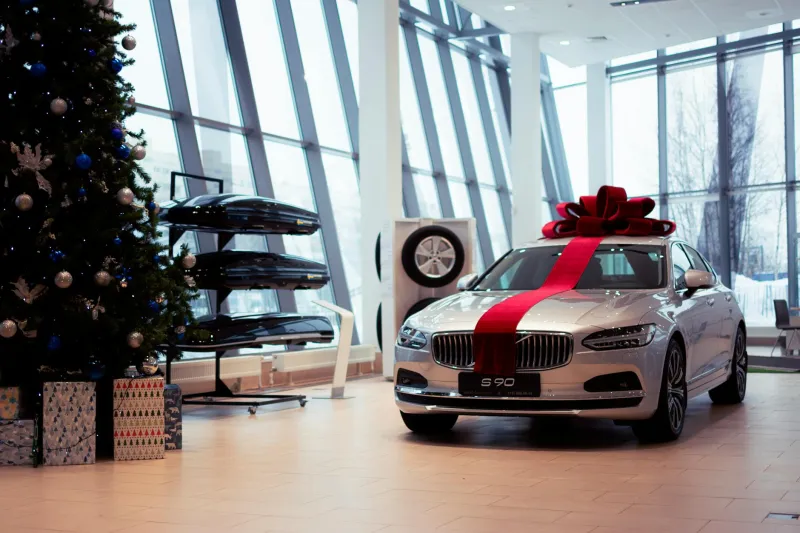
Walk into a car dealership in February, and you'll notice something striking: you might be the only customer there. While conventional wisdom suggests waiting for Memorial Day sales or December clearance events, the reality is that winter's slow season creates the most buyer-friendly environment of the entire year.
The numbers tell the story. According to automotive industry data, dealership foot traffic drops by 30-40% during winter months compared to spring and summer. This isn't just about weather—it's about psychology. Most people assume winter is a terrible time to buy a car, creating a self-fulfilling prophecy that works in favor of the few shoppers who actually show up.
Why Everyone Gets Seasonal Timing Wrong
The belief that summer equals better car deals stems from several misconceptions. First, people assume new model year releases in fall create immediate discounts on previous years. While this happens, those "deals" come with heavy competition from other shoppers who had the same idea.
Second, many buyers think they need perfect weather to properly evaluate a vehicle. This leads to the spring rush, when dealerships are flooded with customers all seeking the same limited inventory of desirable cars.
The irony? Winter actually provides better testing conditions. You'll see how the car handles in real-world conditions, how the heater performs, and whether the all-wheel-drive system you're paying extra for actually makes a difference.
The Inventory Reality Check
Here's what dealers don't advertise: winter months often feature the highest inventory levels of the year. After the holiday buying season, lots are full of vehicles that need to move before spring inventory arrives. Salespeople face monthly quotas regardless of weather, and a slow February means they're highly motivated to work with serious buyers.
This creates a perfect storm of opportunity. High inventory plus low demand equals negotiating power. The same salesperson who might have brushed you off in May will spend hours working numbers in January.
The Hidden Costs of Peak Season Shopping
Shopping during popular months carries hidden costs beyond just higher prices. Peak season means:
- Limited selection as popular models sell quickly
- Rushed decisions due to competitive pressure
- Less personalized service as salespeople juggle multiple customers
- Longer wait times for financing approval
- Reduced willingness to negotiate on extras like extended warranties or maintenance packages
Winter shopping flips all these disadvantages. You'll have the salesperson's full attention, time to properly evaluate vehicles, and leverage to negotiate not just price but also financing terms, trade-in values, and add-ons.
When Winter Shopping Makes the Most Sense
The sweet spot for winter car buying runs from mid-January through early March. January clears out holiday shoppers, while March brings the first hints of spring buying activity. During this window, you'll find:
- Motivated salespeople working toward quarterly goals
- Dealers eager to move winter inventory before spring stock arrives
- Manufacturers offering incentives to boost slow-season sales
- Service departments with availability for immediate delivery prep
The Weather Excuse That Costs Money
Many buyers avoid winter shopping because they want to test drive in ideal conditions. This thinking costs money in two ways. First, you miss out on winter's buyer-friendly market. Second, you don't learn how the car actually performs in challenging conditions you'll face for months each year.
A winter test drive reveals important information: how quickly the car warms up, whether the seat heaters actually work, how the transmission behaves in cold weather, and whether the car feels stable on wet or icy roads. These factors matter more than how the car handles on a perfect 75-degree day.
Making Winter Work for You
Successful winter car shopping requires some preparation. Research models and pricing online before visiting dealers. Know what incentives manufacturers are currently offering. Most importantly, be ready to buy when you find the right deal—winter's advantage disappears if you hesitate.
Bring financing pre-approval from your bank or credit union. This gives you additional negotiating leverage and speeds up the purchase process. Dealers often offer competitive financing rates during slow periods to close deals quickly.
The Bottom Line on Seasonal Timing
The "never buy in winter" rule exists because most people follow it, creating exactly the conditions that make winter the best time to buy. Empty showrooms mean personalized attention. High inventory means better selection. Motivated salespeople mean better deals.
While others wait for spring sales that bring crowds and competition, smart buyers take advantage of winter's buyer's market. The weather might be cold, but the deals are hot—if you're willing to shop when everyone else stays home.