The Middle Seat Safety Rule Parents Follow Without Questioning — And What the Research Actually Says
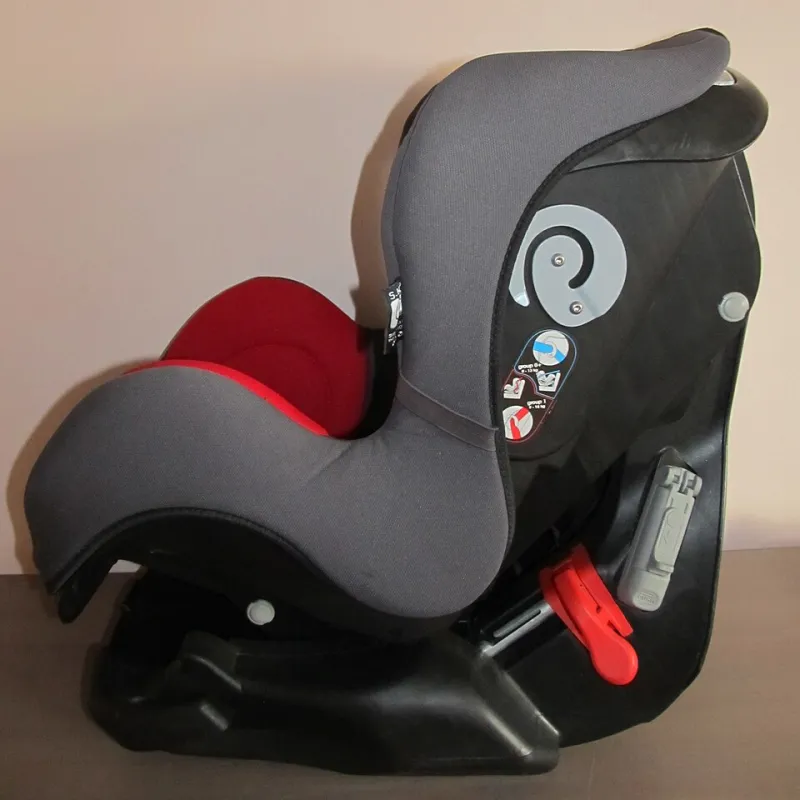
Photo: Niklitov, CC BY-SA 4.0, via Wikimedia Commons
Ask most American parents where the safest place to put a child in the car is, and you'll hear the same answer: the middle rear seat. It's one of those pieces of advice that gets passed down without much examination — from pediatricians, from parenting books, from grandparents who heard it somewhere and never had reason to question it.
The advice isn't wrong, exactly. But it's not the complete picture either. And for something this important, "not the complete picture" is worth understanding.
Where the Middle Seat Rule Came From
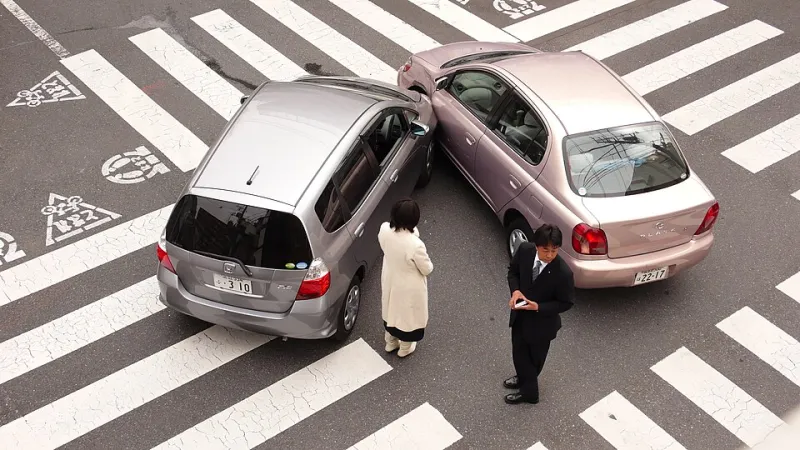
The logic behind the middle rear seat recommendation is straightforward and was, for a long time, well-supported by crash data. In a side-impact collision — one of the most dangerous types of crashes — a child seated in the middle is physically farther from the point of impact than a child seated against either door. More distance from the collision means more time and material between the child and the force of the crash.
Studies going back decades consistently showed that rear-center positioning reduced injury risk in side impacts compared to outboard rear seats. A widely cited analysis of real-world crash data found that children in the center rear seat had meaningfully lower injury rates than those seated on the sides. The recommendation became standard guidance from the American Academy of Pediatrics and child passenger safety advocates.
 Photo: American Academy of Pediatrics, via iprsoftwaremedia.com
For older vehicles — and for the era when most of this research was conducted — the advice was solid. Cars were simpler. The rear seat was largely a bench with limited differentiation between positions. The middle was simply farther from the doors, and that distance was protective.
What Changed in Modern Vehicles
The cars on American roads today are substantially different from the ones that generated the original middle-seat data, and those differences complicate the picture in ways most parents haven't heard about.
Side curtain airbags are now standard equipment in most new vehicles. These deploy from the roofline and create a protective barrier between occupants and the window during a side-impact crash. Outboard rear passengers — those seated by the windows — now benefit from this protection in ways they simply didn't before. The gap in protection between middle and side seats has narrowed considerably in vehicles equipped with full-coverage curtain airbags.
Structural improvements in modern vehicles have also changed the equation. Crumple zones, reinforced door structures, and improved side-impact protection systems mean the doors themselves absorb and redirect crash energy more effectively. The raw distance advantage of the middle seat matters somewhat less when the door structure is doing more protective work than it used to.
Car seat installation geometry adds another layer of complexity. Many modern vehicles have rear seats with a pronounced hump in the middle floor, angled seat backs in the center position, or seatbelt configurations that make it genuinely difficult to install a forward-facing or rear-facing car seat correctly in the center position. A car seat that fits poorly and installs at the wrong angle — even in the statistically favored center seat — may provide less real-world protection than a properly installed seat in an outboard position.
Correct installation matters enormously. Studies consistently show that a high percentage of car seats are installed incorrectly, and an improperly secured seat can perform dramatically worse in a crash regardless of where it's positioned.
What Current Research Actually Shows
More recent analysis of crash data has produced results that are more nuanced than the original guidance suggested. Research published in the last decade found that while center rear positioning still showed some advantage in certain crash scenarios, the difference was smaller in newer vehicles and varied significantly based on crash type and vehicle characteristics.
For pure side-impact crashes, the center advantage persists but is less dramatic in modern cars. For frontal crashes — which remain the most common serious collision type — seat position within the rear has less influence on outcome than restraint use and car seat condition.
Crucially, the research increasingly points to vehicle-specific factors. The answer to "which seat is safest" genuinely differs between a 2010 sedan and a 2023 SUV, and it differs further based on what type of car seat you're using and whether it can be installed correctly in a given position.
What Parents Should Actually Do
None of this means the middle seat advice is bad guidance. For many vehicles and many car seat combinations, the center rear position is still the safest choice. But "check your specific situation" is more accurate than "always use the middle."
Here's what child passenger safety experts actually recommend when you dig past the simplified headline:
Get a professional car seat check. Certified Child Passenger Safety Technicians (CPSTs) can evaluate your specific vehicle, your specific car seat, and help determine the best installation position for your situation. Many fire stations, hospitals, and community organizations offer free inspections. The NHTSA website has a locator tool to find one near you.
Prioritize correct installation over position. A properly installed car seat in an outboard rear position outperforms a poorly installed seat in the center. If your car seat doesn't fit correctly in the middle, don't force it there because of a general rule.
Consider your vehicle's safety features. If your car has full-coverage side curtain airbags that protect rear outboard passengers, the protection gap between center and side is smaller than it would be in an older vehicle.
Always keep children in the rear. Whatever position you choose, the back seat remains significantly safer than the front for children. That part of the advice hasn't changed.
The Takeaway
The middle seat recommendation came from real data and genuinely helped protect children for decades. But it was developed in an era of simpler vehicles, and the automotive world has changed significantly since then. Modern airbag systems, improved door structures, and better understanding of installation quality all affect the real-world answer.
The most honest version of the guidance is this: the center rear seat is often the best choice, but the right answer for your child depends on your specific car and car seat combination. A few minutes with a certified technician will tell you more than any general rule ever could.