Why Smart Car Buyers Are Quietly Winning at Public Auto Auctions While Everyone Else Still Thinks They're Risky

The Old Reputation That Won't Die
For decades, car buyers have been warned to stay away from public auto auctions. The advice made perfect sense when it was given: these were chaotic affairs where dealers dumped problem vehicles, information was scarce, and regular buyers had no way to verify what they were actually bidding on. Stories of flood-damaged cars, rolled-back odometers, and hidden mechanical nightmares became automotive folklore.
But while everyone kept repeating these warnings, the auction industry quietly transformed itself.
What Changed Everything
The revolution started with vehicle history reports. Services like Carfax and AutoCheck didn't just change used car lots—they fundamentally altered auction dynamics. Today's major auction houses provide detailed history reports for virtually every vehicle, often revealing more information than you'd get from a typical dealer.
Online bidding platforms took this transparency even further. Copart, IAA, and similar services now offer high-resolution photos from multiple angles, detailed condition reports, and even video walk-arounds. You can examine a vehicle more thoroughly from your laptop than many people do when test-driving at a dealership.
The auction houses themselves also evolved. What were once cash-only, as-is affairs now offer financing options, limited warranties, and buyer protections that rival traditional dealers. Some even provide post-sale inspections and return policies.
The Numbers Tell a Different Story
Here's what the data reveals: auction prices often run 15-25% below comparable retail values, even after accounting for auction fees and transportation costs. This isn't because the cars are problematic—it's because the auction system eliminates many of the overhead costs that drive up dealer prices.
Consider a 2020 Honda Accord with 40,000 miles. At a dealership, you might pay $22,000 after negotiations. The same vehicle at auction, with full documentation and clear title, often sells for $17,000-$19,000. Even adding $1,500 in fees and transportation, you're still ahead.
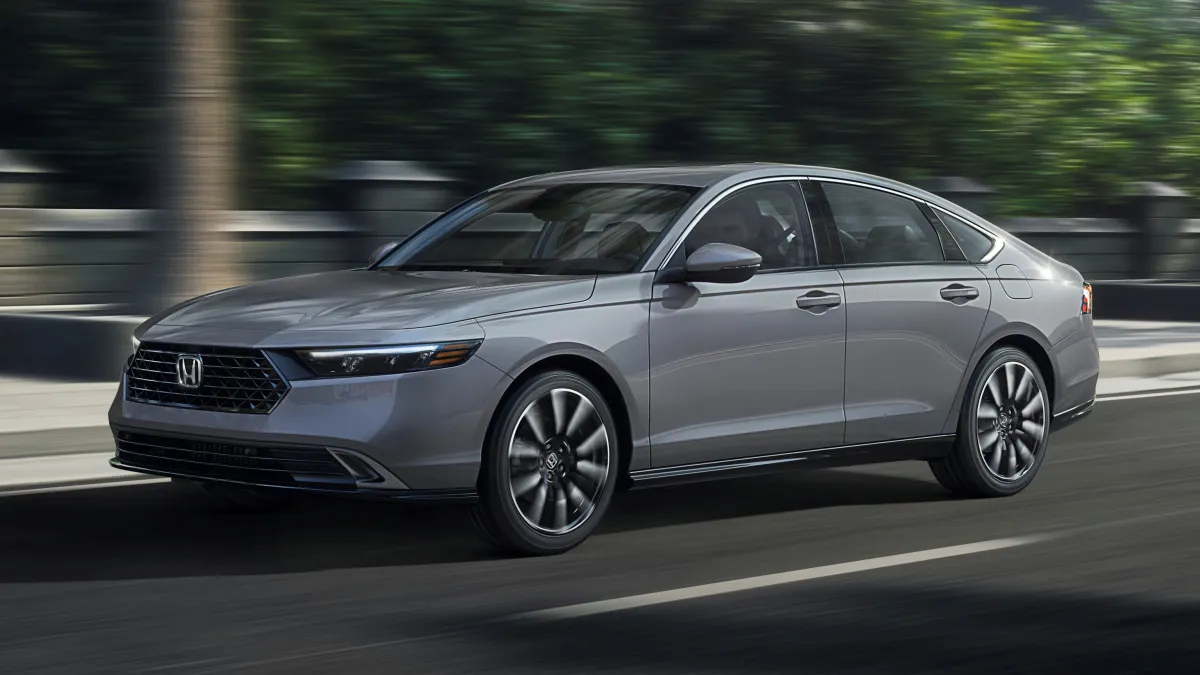 Photo: Honda Accord, via www.topgear.com
The risk profile has shifted dramatically too. Modern auction houses reject vehicles with significant undisclosed damage, and their reputation depends on accurate condition reporting. A "run and drive" designation actually means something now, backed by systems that would have been impossible in the old days.
Why Dealers Don't Want You to Know This
The automotive retail industry has a vested interest in maintaining auction anxiety. Dealers regularly buy at the same auctions they warn consumers to avoid, then mark up those vehicles by thousands of dollars. Your local dealer's "certified pre-owned" inventory often includes auction purchases that have been detailed and given a warranty.
This isn't necessarily deceptive—dealers provide value through financing, warranties, and convenience. But the markup for these services is substantial, and many buyers would prefer to handle these aspects themselves for the savings.
The Smart Buyer's Auction Strategy
Successful auction buyers approach the process systematically. They research specific models and their common issues beforehand, set strict budget limits, and focus on vehicles with complete documentation. They also understand that auction buying isn't for every situation—it works best for buyers who can handle minor issues themselves and don't need immediate financing.
The key insight is treating auctions as another marketplace, not a last resort. Just as you'd research before buying from a dealer, auction success requires preparation and realistic expectations.
What You Still Need to Watch For
Auctions aren't risk-free. Transportation logistics can be complex, especially for distant purchases. Some auction houses still operate with minimal buyer protections, and emotion-driven bidding can quickly eliminate any savings. The inspection period is usually limited, and you're competing against dealers who know exactly what they're looking for.
But these are manageable challenges, not insurmountable barriers. The buyers who succeed at auctions today are often the same ones who research extensively before buying anywhere else.
The Reality Check
Public auto auctions have evolved from sketchy back-room deals to legitimate marketplaces with transparency that often exceeds traditional dealers. The old warnings persist because they protect an industry structure that benefits from information asymmetry.
Smart buyers have already figured this out. While everyone else avoids auctions based on outdated advice, they're quietly securing deals that would be impossible through traditional channels. The question isn't whether auctions are safe—it's whether you're prepared to do the research that successful auction buying requires.