You Paid for the Car. Here's Why You Might Not Actually Own It.
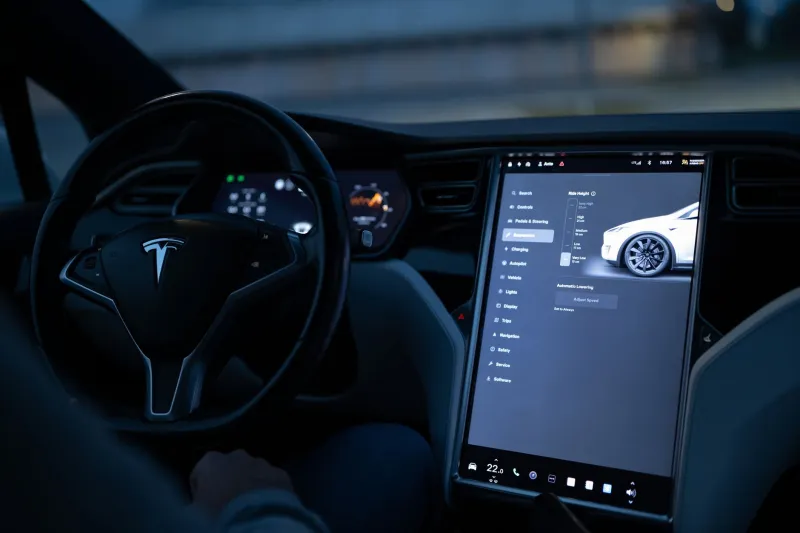
There's a moment at the dealership — after the paperwork is signed, the keys are handed over, and you're sitting in the driver's seat for the first time — when the car feels completely, unambiguously yours. You paid for it. Your name is on the title. You can drive it wherever you want, park it in your driveway, and in theory, do whatever you like with it.
Except, increasingly, you can't. Not entirely.
The modern vehicle is less a mechanical object you own outright and more a rolling platform of licensed software, proprietary data, and manufacturer-controlled access. Most buyers have no idea this is what they signed up for — because nobody explains it at the point of sale.
The Car You Bought Runs on Software You Don't Own
A new vehicle today contains anywhere from 50 to 150 individual electronic control units — essentially small computers — managing everything from the engine and transmission to the climate system, infotainment screen, and advanced driver-assistance features. These systems run on millions of lines of code.
That code is not yours. It's licensed to you, in roughly the same way that the operating system on your laptop is licensed rather than sold. You have the right to use it. You don't have the right to modify it, reverse-engineer it, or in many cases, have it serviced by anyone the manufacturer hasn't authorized.
This matters more than it might sound. When something goes wrong with a system governed by that software — and eventually, something will — your repair options can be limited in ways that have nothing to do with the mechanical complexity of the problem.
The Right-to-Repair Battle Playing Out Right Now
The automotive right-to-repair debate has been quietly escalating for years, and it recently got louder. The core issue is straightforward: independent repair shops and individual owners increasingly can't access the diagnostic tools, software updates, and technical data needed to fix modern vehicles without going through the manufacturer's authorized network.
In 2020, Massachusetts voters passed a ballot initiative requiring automakers to provide open access to vehicle telematics data for independent shops. Several automakers responded by disabling certain wireless data features on vehicles sold in Massachusetts entirely rather than comply. The legal fight over that decision is still ongoing.
At the federal level, the FTC has weighed in, and Congress has seen right-to-repair legislation introduced multiple times. So far, no comprehensive federal law exists. That means the balance of power still sits heavily with manufacturers.
For the average driver, this translates into a practical reality: for certain repairs, especially anything involving software recalibration, module replacement, or advanced driver-assistance system resets, you may have no real alternative to the dealership — even if an independent shop is cheaper, faster, or more conveniently located.
The Data Your Car Collects — And Who Controls It
Here's a dimension of modern car ownership that gets even less attention than right-to-repair: your vehicle is almost certainly collecting data about you, and you have limited say over what happens to it.
Modern connected vehicles can track location history, driving behavior, speed patterns, braking habits, and even seat occupancy. This data flows back to the manufacturer's servers. Depending on the privacy policy you agreed to — likely buried in the infotainment setup screen you tapped through without reading — that data can be shared with third parties, used for marketing purposes, or potentially accessed by insurers.
In 2023, a Mozilla Foundation report examined the privacy practices of major automakers and found that the industry collected more personal data than almost any other consumer product category, with weak protections and broad sharing permissions. Several manufacturers were found to share or sell driver data to third parties. Some of that data has reportedly made its way to insurance companies, affecting rates.
You own the car. The manufacturer owns the story the car tells about you.
What This Means for Modifications and Resale
For drivers who like to modify their vehicles — whether for performance, aesthetics, or accessibility — software restrictions create new friction that didn't exist a generation ago. Aftermarket tuning, which was once a matter of swapping a physical component, increasingly requires engaging with proprietary software that manufacturers actively work to lock down.
Some modifications that are straightforward on older vehicles — reprogramming transmission shift points, adjusting throttle response, enabling features that were disabled at the factory — now require workarounds that can void warranties or trigger manufacturer-side responses through over-the-air update systems.
Resale value is also quietly affected. A vehicle with manufacturer-controlled software subscriptions, features locked behind ongoing payments, or hardware that requires proprietary calibration after replacement is a different proposition for a used-car buyer than a vehicle with no such strings attached. As subscription-based features become more common, this will become a more visible issue in the used market.
Why Nobody Told You This at the Dealership
The honest answer is that the sales process isn't designed to surface this information. The salesperson's job is to move metal. The finance office's job is to close the deal. Nobody's role in that process is to walk you through the software licensing terms embedded in the vehicle you're about to buy.
It's also worth noting that many people working at dealerships aren't fully aware of these dynamics themselves. The shift from mechanical products to software-defined vehicles happened gradually, and the industry's sales culture hasn't caught up with the implications.
The Takeaway
Owning a modern car is real in most of the ways that matter day-to-day. But it's ownership with conditions attached — conditions written by the manufacturer, encoded in software, and rarely explained at the point of sale. Understanding those conditions won't change your purchase decision in most cases, but it will help you make smarter choices about where you service your vehicle, how you think about modifications, and what questions to ask before you sign.