The Fuel Grade Debate Is More Complicated Than Your Gas Cap Sticker Suggests
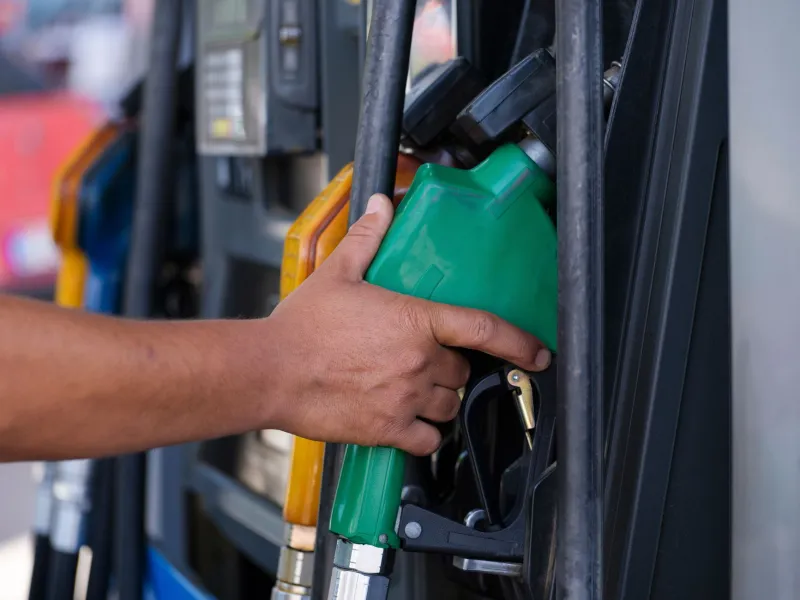
You've probably noticed the small sticker inside your gas cap door. Maybe it says "87 Octane," maybe it says "91 Octane Recommended," or maybe — if you drive something with a turbocharged engine — it says "Premium Fuel Required." Most drivers read that label once, file it away, and follow it without much thought for the life of the car.
That approach isn't wrong exactly. But it's also not the complete picture. The real story behind octane requirements involves engine technology, geographic fuel variation, driving habits, and a marketing apparatus built around selling you more expensive gasoline — even when you may not need it.
What Octane Actually Does
Octane rating measures a fuel's resistance to pre-ignition — what engineers call "knock" or "ping." In a gasoline engine, the fuel-air mixture is supposed to ignite only when the spark plug fires. Pre-ignition happens when that mixture ignites too early, from heat and pressure alone, before the spark. That uncontrolled combustion creates a knocking sound and, over time, can damage pistons and cylinder walls.
Higher-compression engines — which squeeze the fuel-air mixture more tightly before ignition — generate more heat in that process, making them more prone to knock. Those engines need higher-octane fuel to prevent pre-ignition. That's the basic chemistry, and it's real.
What gets complicated is how modern engines actually manage this in practice.
The Knock Sensor Changes Everything — Sort Of
Virtually every car built in the last 30 years has a knock sensor. This small device listens for the vibration signature of pre-ignition and signals the engine control unit (ECU) to adjust timing in real time. When the ECU detects knock, it retards ignition timing — essentially making the spark fire a bit later — to prevent damage.
The marketing implication from automakers is often that this system means you can run regular fuel in a premium-recommended car without hurting anything. Technically, that's true. The knock sensor will compensate.
But here's what that compensation actually costs you: retarded timing reduces combustion efficiency. The engine loses horsepower and, in many cases, fuel economy. The performance numbers your car was rated for assume it's running on the fuel grade it was designed around. When you step down to regular in a premium-recommended engine, you're not just saving money at the pump — you're getting a measurably different car.
For some drivers in some situations, that tradeoff is completely acceptable. For others, it quietly defeats the purpose of owning a performance-oriented vehicle.
'Recommended' vs. 'Required' — The Distinction That Actually Matters
Automakers use two different terms, and they mean genuinely different things.
"Premium recommended" means the engine was tuned to perform optimally on high-octane fuel, but the knock sensor system can compensate for lower grades. You'll lose some performance and potentially some efficiency, but you won't damage the engine.
"Premium required" means the engine's compression ratio or boost pressure is high enough that running lower-octane fuel creates a real risk of knock that the sensor system may not fully manage — especially under hard acceleration or in hot weather. This language appears on many turbocharged engines and higher-performance vehicles. Ignoring it isn't just a performance compromise; it's a risk.
That distinction gets blurred constantly — by drivers, by casual advice online, and sometimes even by dealership staff. Treating "recommended" and "required" as interchangeable is one of the more common and quietly costly mistakes drivers make.
Regional Fuel Quality Adds Another Variable
Here's something the gas cap sticker can't account for: fuel quality varies significantly by region and by season. The octane rating you see at the pump is a minimum standard, not a precise measurement of every batch that comes through that station. Ethanol content — which affects how the fuel burns — varies by region and by time of year, since many areas use seasonal fuel blends to meet emissions requirements.
In parts of the Mountain West, altitude affects combustion dynamics enough that some manufacturers have historically adjusted their recommendations for high-elevation markets. The fuel your neighbor in Denver is running through the same engine model may behave differently than what you're running in Houston.
None of this means you need to become a fuel chemistry expert. But it does mean that a single label on a gas cap door is a simplified answer to a question that has some real regional nuance.
Why Premium Fuel Gets Marketed So Aggressively
Premium gasoline carries a significantly higher margin for refiners and retailers. The average price premium over regular has historically ranged from 25 to 60 cents per gallon, and that gap has grown in recent years. The industry has a clear financial incentive to encourage premium fuel use as broadly as possible.
Marketing around premium fuel leans heavily on vague performance language — "top tier," "engine cleaning additives," "better for your engine" — that creates an impression of quality improvement even for vehicles that don't need it. Some of that language has merit; Top Tier certified fuels do contain higher levels of detergent additives that genuinely help keep fuel injectors cleaner over time. But Top Tier is a separate certification from octane grade, and you can find Top Tier regular-octane fuel at plenty of stations.
The Practical Answer
For most drivers, the right approach is simpler than the marketing suggests: follow the owner's manual distinction between "recommended" and "required," understand what you're trading when you step down a grade, and don't pay for premium if your car runs on regular. If you're driving a premium-recommended car and you want the performance you paid for, use premium. If you're driving that same car mostly in city traffic and you're not pushing it, the tradeoff on regular may be worth it to you.
What you don't need to do is assume the sticker on your gas cap has accounted for your specific engine's current condition, your local fuel supply, or the way you actually drive. It hasn't. It's a starting point — and for most people, it's a pretty good one. Just don't mistake it for the whole story.