What 'Certified Technician' at a Dealership Actually Means — And Why It Has Nothing to Do with Your Car
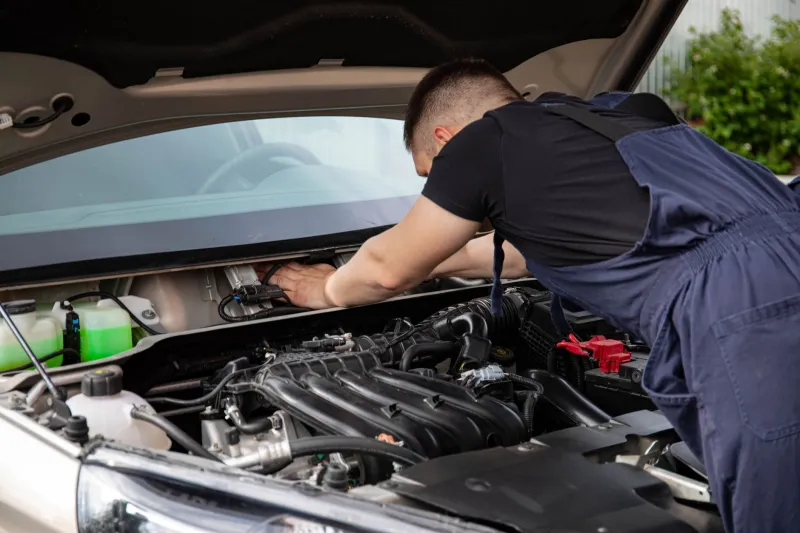
There's a quiet confidence that comes with pulling into a dealership service lane. The branded uniforms, the clean bays, the framed certificates on the wall — it all signals that something official is happening here. That your car is in the hands of people who have been vetted, tested, and held to a higher standard than whoever works at the independent shop down the street.
That feeling isn't entirely wrong. But it's not entirely right either. And the gap between those two things is where a lot of drivers end up paying more than they should — while assuming they're getting something they're not.
What 'Certified' Actually Refers To
When a dealership advertises certified technicians, they're almost always referring to one of two things: manufacturer-specific training programs, or ASE (Automotive Service Excellence) certifications. Both are real credentials. Neither one certifies anything about the quality of work being done on your specific vehicle today.
ASE is the most widely recognized standard in the industry. To earn it, a technician has to pass written exams covering specific areas — engine repair, brakes, electrical systems, and so on — and demonstrate a minimum amount of hands-on experience. It's a legitimate credential, and having an ASE-certified tech work on your car is generally a good sign.
But here's the thing: independent shops have ASE-certified technicians too. Plenty of them. The certification doesn't belong to the dealership. It belongs to the individual, and they can take it anywhere they work.
Manufacturer training programs — like Ford's Motorcraft certification or GM's World Class Technician program — are a different layer. These are brand-specific courses that teach technicians how to work on that manufacturer's vehicles, often covering proprietary diagnostic tools and repair procedures. If your Toyota needs a complex repair involving software systems that only Toyota technicians are trained on, that kind of manufacturer certification genuinely matters.
But for a brake job, a fluid flush, or a battery replacement? That specialized training isn't doing much extra work for you.
How Dealerships Use This Perception
Dealership service departments typically charge significantly higher labor rates than independent shops — often $40 to $80 more per hour, sometimes more in major metro areas. The implied justification is quality and expertise. You're paying for certified professionals working in a controlled, brand-approved environment.
The reality is that dealership service departments are profit centers, often among the highest-margin parts of a car dealership's operation. Labor rates are set based on market positioning, not on a direct relationship with the certification level of the staff. A dealership with a single master technician and several less experienced techs on staff will still advertise the same "certified technician" language across all their marketing.
None of that is illegal or even necessarily deceptive. But it does mean the word "certified" is doing more marketing work than quality-assurance work.
The Certifications That Actually Matter for Your Situation
So what should you actually pay attention to? A few things are worth asking about directly:
ASE Master Technician status is a meaningful distinction. Earning it requires passing all eight of the main ASE certification exams — not just one or two. Shops with multiple master technicians are genuinely running a higher standard of service.
Manufacturer-specific certifications matter most for complex, brand-specific repairs. If your car needs a transmission control module reprogrammed or a hybrid battery diagnostic, a manufacturer-certified technician with access to the OEM diagnostic software has a real advantage over a general shop.
Shop-level accountability — not just individual credentials — is worth asking about. Does the shop stand behind its work with a written warranty on parts and labor? What's the process if something goes wrong after you pick up the car? These questions reveal more about actual quality control than any certificate on the wall.
Why the Misconception Sticks
The idea that dealerships offer a higher tier of technical expertise persists for a few reasons. Brand association is powerful — if you drive a Honda, it intuitively feels like the Honda dealership knows Hondas better. And for some things, that's true. But the marketing around certification has blurred into a general implication of superiority that isn't always earned.
The framed certificates, the factory signage, the manufacturer-branded tools visible through the service bay window — all of it creates an environment that feels more official than the independent shop with a handwritten estimate. The experience is designed to generate trust, and it often does, regardless of whether that trust is specifically warranted for your repair.
What to Actually Do with This
None of this means you should avoid dealership service departments. For certain repairs — anything involving proprietary software, recalls, warranty work, or complex brand-specific systems — they're often the right call. And plenty of dealership technicians are genuinely skilled professionals.
But for routine maintenance and common repairs, the credential gap between a good independent shop and a dealership service department is much smaller than the price gap suggests. Asking your independent mechanic about their ASE certifications, checking their reviews, and getting a written warranty on labor will tell you more about what you're actually getting than the word "certified" on a dealership sign ever will.
The takeaway isn't that dealership service is bad. It's that "certified" is describing the technician's training history — not a guarantee about your car's repair. Those are two very different things, and knowing the difference could save you a meaningful amount of money over the life of your vehicle.